
Research areas
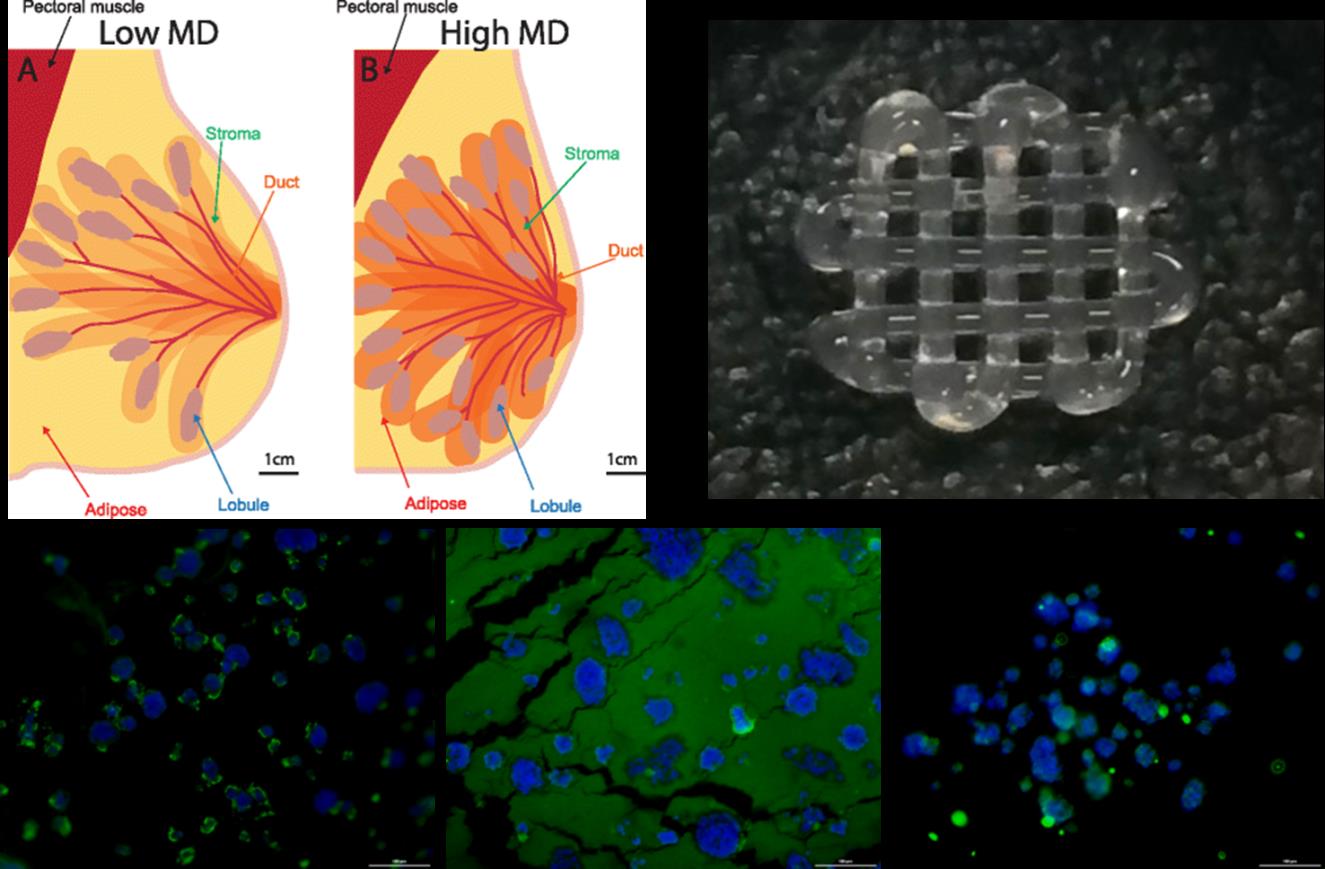
3D bioprinted tissues for disease and regeneration modelling
Human tissues and organs are organised in 3D functional zones with distinct mechanical, physical and chemical properties, connected through continuous or discrete interfaces where graded cell phenotypes are responsible for eliciting specific biomechanical responses.
This complex functionality is extremely hard to replicate ex vivo using traditional 2D cell culture models. The lack of biomimicry in 2D models often leads to discrepancies between the therapeutic efficiencies obtained from in vitro pre-clinical studies and the outcomes of clinical trials, ultimately resulting in failed tests, with associated costs ranging from £600 million to £1 billion.
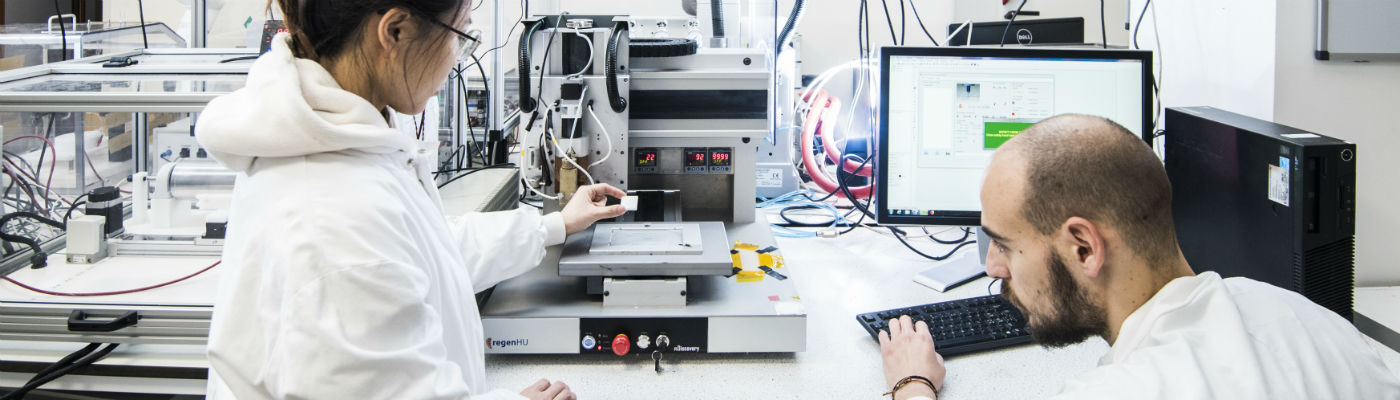
Our research group is developing multi-material and multicellular 3D bioprinting platforms to generate pre-defined complex heterogeneous tissues capable of emulating the 3D ECM microenvironment and be used for a wide range of applications including the study of fundamental disease biology, pre-clinical drug trials, and more conventional regenerative medicine.
We are working closely with clinicians, cell biologists and SMEs at Manchester and internationally to developing a better understanding of the mechanisms underpinning the initiation/progression of different diseases, including breast, prostate or ovarian cancer, and neurodegenerative diseases such as dementia.
Advances in this field, coupled with induced Pluripotent Stem Cell (iPSC) technology will allow us, in the near future, to develop better preventive therapies and drugs at more affordable costs and enhanced efficiency, completely personalised according to the patient requirements.
Customised implants for guided tissue regeneration
Many species in nature, including the axolotl – an aquatic salamander – can regrow missing body parts via a true mechanism of self-regeneration. The same does not occur in humans where, with the exception of some organs (e.g. liver, skin), the ability to regenerate injured or diseased tissues is very limited.
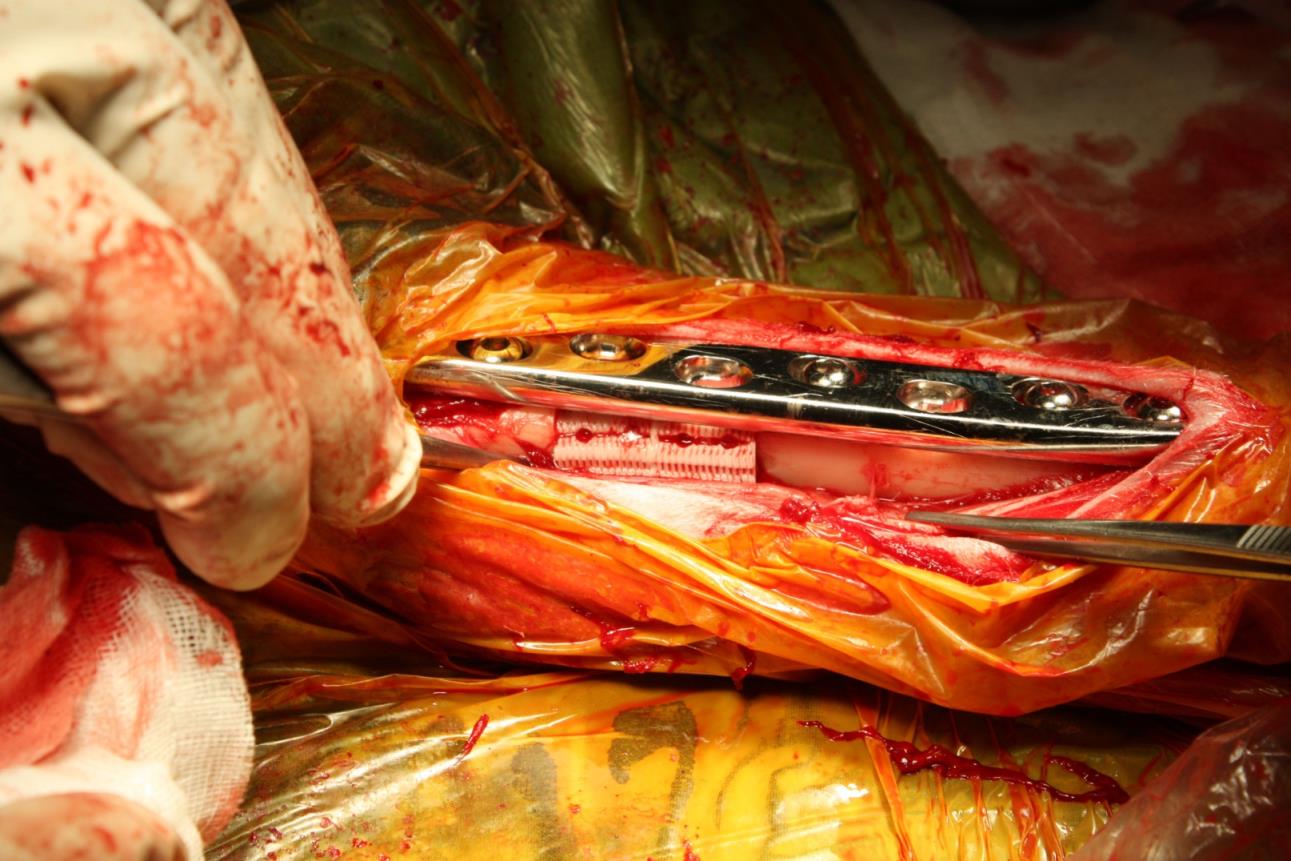
Drawing inspiration from the axolotl, our group is focused on reverse engineering its self-healing ability into human therapies using bioprinting techniques to create artificial tissue templates capable of instructing cellular function and guiding tissue in-growth.
Part of this work involves trying to understand how stem cells develop and retain their functional memory and what signals can be used to activate or deactivate it. This knowledge is then be used to engineer smart templates with imprinted ‘’switchers’’ for control of stem cell differentiation and neo-ECM production across a broad spectrum of skeletal tissues including bone and cartilage.
Our final goal is to provide alternative clinical therapies with enhanced efficiency at affordable costs for the treatment of patients with debilitating diseases (e.g. osteoarthritis), thus restoring their quality of life and well-being.
Smart materials for 3D bioprinting
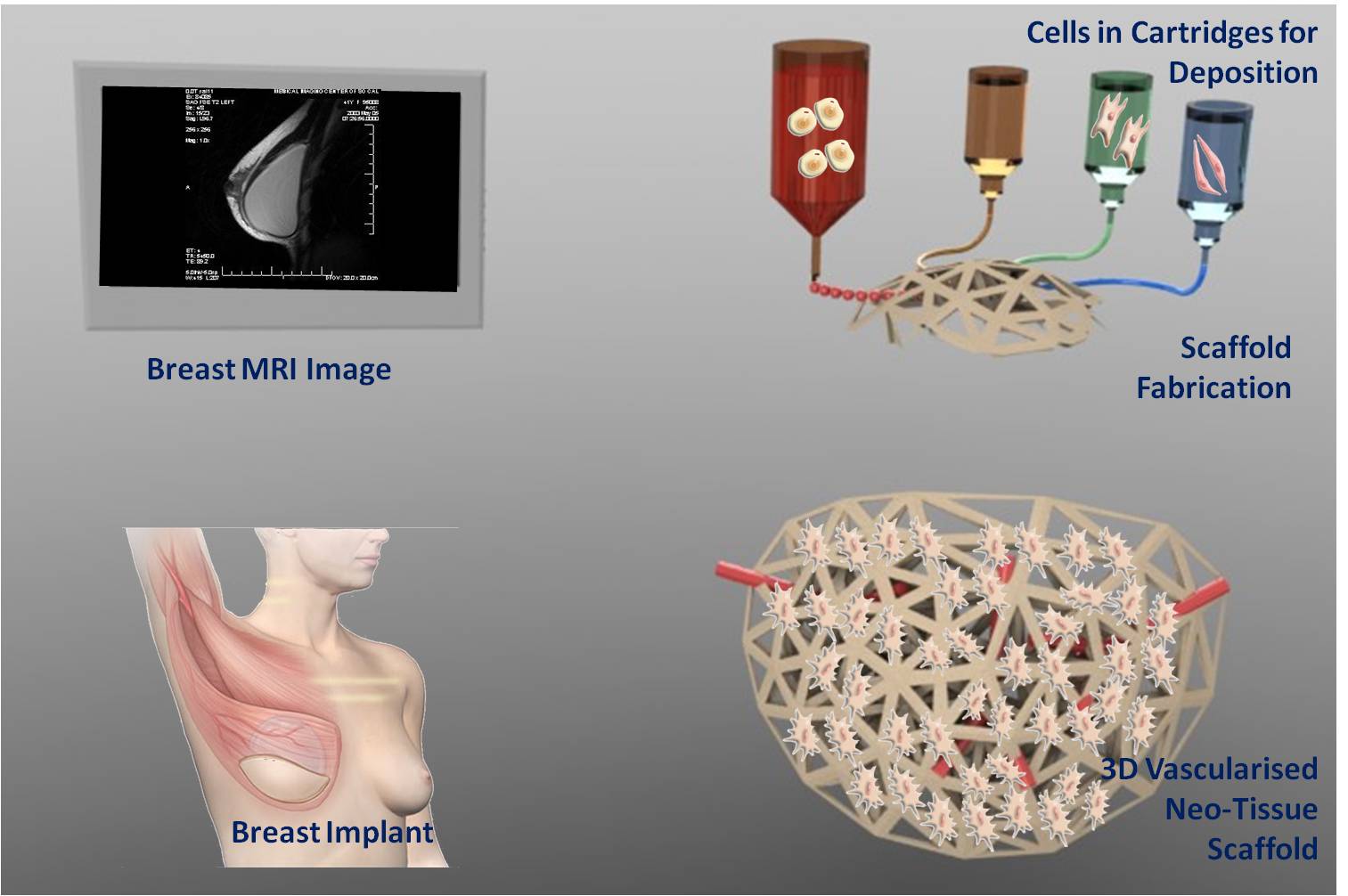
Bioprinting systems can be combined with imaging techniques to produce patient-specific implants through the controlled layering of different materials, cells and bioactive molecules. However, the full potential of these techniques in the field of Regenerative Medicine remains hindered by the limited range of printable materials.
We are developing an advanced platform of smart biomaterials capable of restoring the function of damaged tissues/organs. Our formulations comprise natural/synthetic polymers, ceramics, hydrogels and organic/inorganic composites and can be easily tuned to emulate the properties of native tissues. We are also interested in controlling cellular responses at the cell-biomaterial interface by engineering active surfaces with defined chemistry and topological features.
Maps
Visit the maps and travel section to find your way around.
Virtual tour
Take a 360 degree look around our campus and discover places for yourself
Contact Us
+44 (0) 161 306 6000
Connect With Us