

My experience as a Research Advisory Panel member on WAterS-2
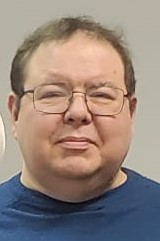
Stephen Taylor is a member of the WAterS-2 Research Advisory Panel (RAP). The RAP consists of patients, carers and members of the public who meet regularly to support the research. Here, Stephen talks about his experience of the panel and what it has been like to advise on the project.
 How I got involved
WAterS was the first research project I became involved with in an advisory capacity, rather than a participant.
I’d seen how stretched mental health support resources were for people who’d had a stroke, and also have a personal interest in mindfulness and meditation. I signed up for WAterS-1, which went through some totally unforeseen changes as we ran into pandemic lockdowns and the whole project had to move online.
I was really sceptical about online group therapy, especially for people who are older and less used to technology, and those with communication problems. I could also see the advantages in a system that could be rolled out to larger numbers of people without putting a massive burden on existing resources. I ended up as a co-author on the project and signed up to be involved with the second phase when it started.
Working through the project longer term has been fascinating, and through all the changes and refinements, I’m eager to find out if and in what way the project can be more widely implemented.
Contributing to the study
Having a voice in the design and implementation of the project felt really important to both the project, and the advisors who had experience of stroke. The project’s designers had access to different ideas and perspectives that really informed and shaped big aspects of the work.
I, for one, felt listened to and appreciated, and felt like my input could have a positive impact on future patients. Working so productively with a group of people with similar experiences was also an incredible boost for confidence. Stroke can be such a crushing blow to existing skills and competences, and finding a positive way to use the situation was such a ‘silver lining’ experience.
I’ve been a lifelong advocate for inclusion, particularly for people with disabilities, and now having first-hand experience I’ve seen and felt how impactful peer support can be in recovery. Involving people who’ve lived through a stroke in the delivery of the therapy has always been an aim, and I’m keen to see the results of peer inclusion in the feedback for WAterS-2.
My focus on accessibility has also helped (I hope) to shape some written materials that are much more useful for people with communication and concentration difficulties, as well as just being clearer and simpler to digest.
What I’ve got out of being a RAP member
The experience of working as a valued member of the WAterS team has been uniquely and universally positive for confidence, for work-relevant skills and for making social and professional connections. Since WAterS, I’ve been involved with numerous other projects, some on a similarly involved level. I’ve also been a Q&A panel member at the UK Stroke Forum and am scheduled to speak at this year’s event.
I’m still completely committed to seeing how WAterS can help get mental health support to stroke survivors when they need it most, and I’ll be proud to have been part of the team when it does.
Related
Related posts:
Contact Us
+44 (0) 161 306 6000


0 Comments