
Excess Capitalism: The Unspoken Truth About Cruise Ships
Article by Alyssa Sydney Reese Chew
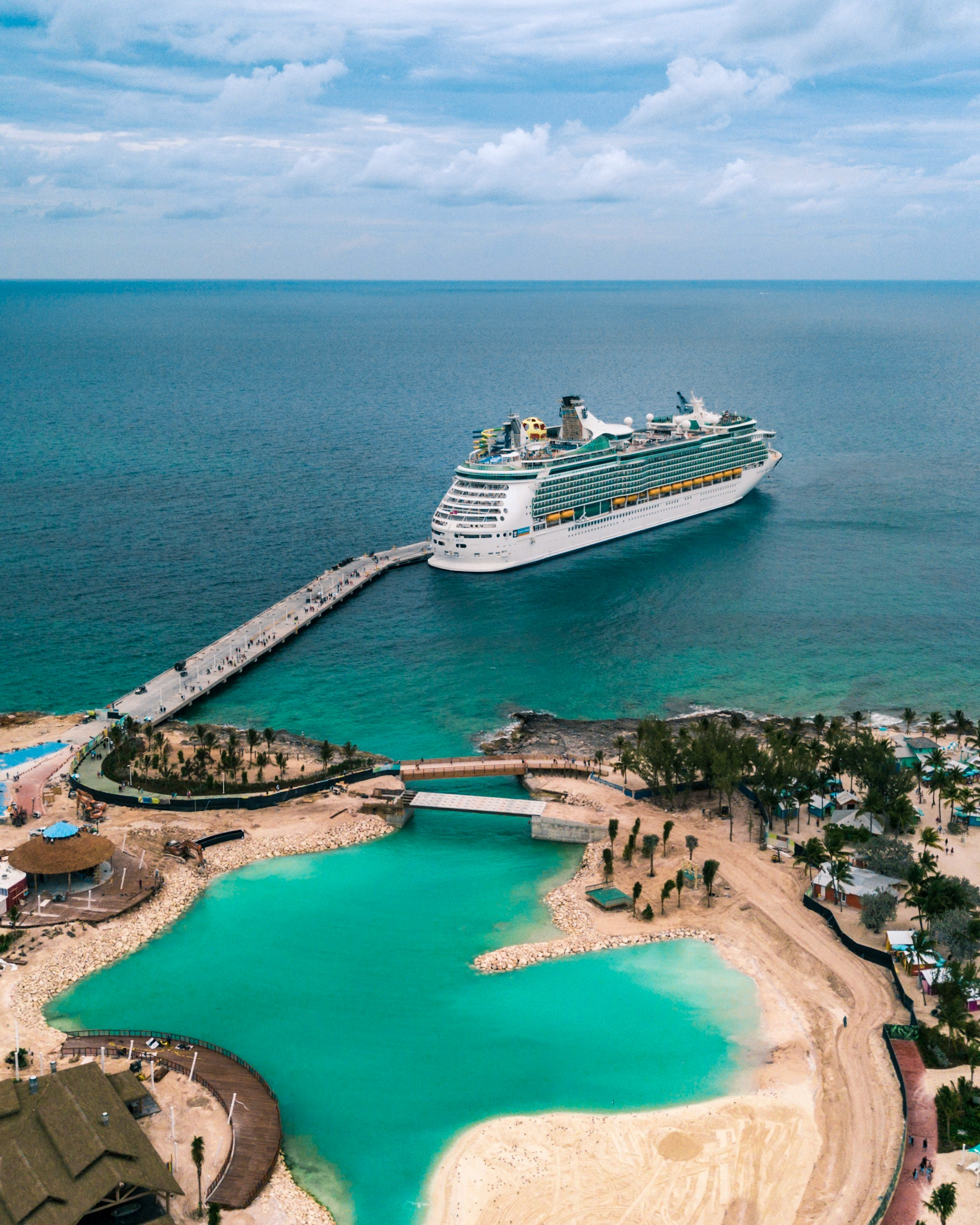
Photo by Adam Gonzales on Unsplash
Did you know that the world’s largest cruise ship, Icon of the Seas has 20 decks, 6 water slides, and over 40 restaurants? It weighs 5 times more than the Titanic and holds not one but 7 swimming pools. This fairytale cruise ship cost £1.41 billion to build, but luckily, it only costs around £3,300 for one person to hop on this marvellous ride. And did I mention, this cruise voyages island to island in the Caribbean for 7 days! How could it get any better…right?
Cruise ship vacations are a prime example of Western societies’ way of taking pleasure in “excess capitalism.” In a 2009 article, British sociologist John Urry explains that the 20th-century economic system has created this concept of “excess capitalism” which encourages our mobility complexes and our desire to travel for long-distance leisure. The economy has generated this “excess capitalism” through minimal state control and neoliberalism policies, leading to significant economic success within the tourism sector. Urry describes these Caribbean cruise ships as “floating gated communities again organised around consuming to excess,” which is very much accurate. For the Caribbean’s tourism sector especially, cruise ships are a crucial part of their economic success, and thus their government even encourages the development of these ships through the creation of deregulation zones that benefit businesses with the addition of cheap labour, lower taxes and friendlier policies towards these capitalist activities. So, if the government allows and encourages the development of cruise ships as it hugely benefits the economy and, even more importantly, creates happy memories for children and their families then why should this pose a concern? Well, what if I told you that one of the greenhouse gases that cruise ships emit, methane, specifically traps “80 times more heat than carbon dioxide over 20 years“, and that is only one of the dangers of the several pollutants and hazards emitted into the environment…
This development of the human mobility complex and the desire to travel, whether by train, bus, car, aeroplane, or cruise, in the 20th century has led to further deterioration of the environment. An article by Martha Honey writes that the cruise ship sector has been criticised for amplifying climate change. Honey explores the consequences of cruise travel, especially its harms to the environment, such as the dumping of hazardous waste, illegal oils, garbage, and food waste offshore. Not only that, but cruise ships emit harmful pollutants, including sulphur, methane, and greenhouse gases. These emissions contribute to smog, the creation of dead zones, acid rain, and even asthma, all contributing to the worsening of climate change. With all these detrimental effects in mind, we should consider an alternative to cruise ship travel or, as theorists Arthur PJ Mol and Gert Spaargaren argue, a reformative approach to capitalism.
Although Western society has adopted mobility complexes and is surrounded by neoliberalism, Mol and Spaargaren argue that the ecological modernisation theory is an alternative and optimistic perspective towards “excess capitalism.” The theorists believe that because capitalism is constantly shifting, there is hope towards reforms within private firms and consumer behaviour through adopting more environmental policies, including technological solutions, and changes in the free-market system. They firmly believe that “sound ecological conditions and good economic performance should (and actually could) co-exist.” In addition, both John Urry’s view and the Ecological Modernisation Theory insist that consumer behaviour is another way to prevent this escalation of climate change and neoliberalism. However, ultimately, both argue the power of individual choice and how small deliberate changes in our mobility complexes and voicing our concerns to these large corporations can help prevent the amplification of climate change.
Therefore, although tourism and cruise ship culture is amplifying climate change, our desires to travel over the holidays to long distances for pleasure, or our indulgence in excess capitalism encouraged by neoliberalism may always remain, there is still hope towards a more sustainable future. Yes, John Urry states his concern surrounding the dangers of capitalism, and Martha Honey cautions readers about all the environmental threats from cruise ship culture. However, we should follow a more optimistic view. As Mol and Spaargaren share, “substantial changes in consumer behaviour, including catalysing citizen-consumers green purchasing power worldwide,” may be the key towards preventing climate change from further derailing. Although the Icon of The Seas does look marvellous, a greener future lies within the power of individual choice.
Contact us
+44 (0) 161 306 6000


0 Comments