
Gender inequality around the globe, why is it so hard to talk about?
Article by Jade Neal
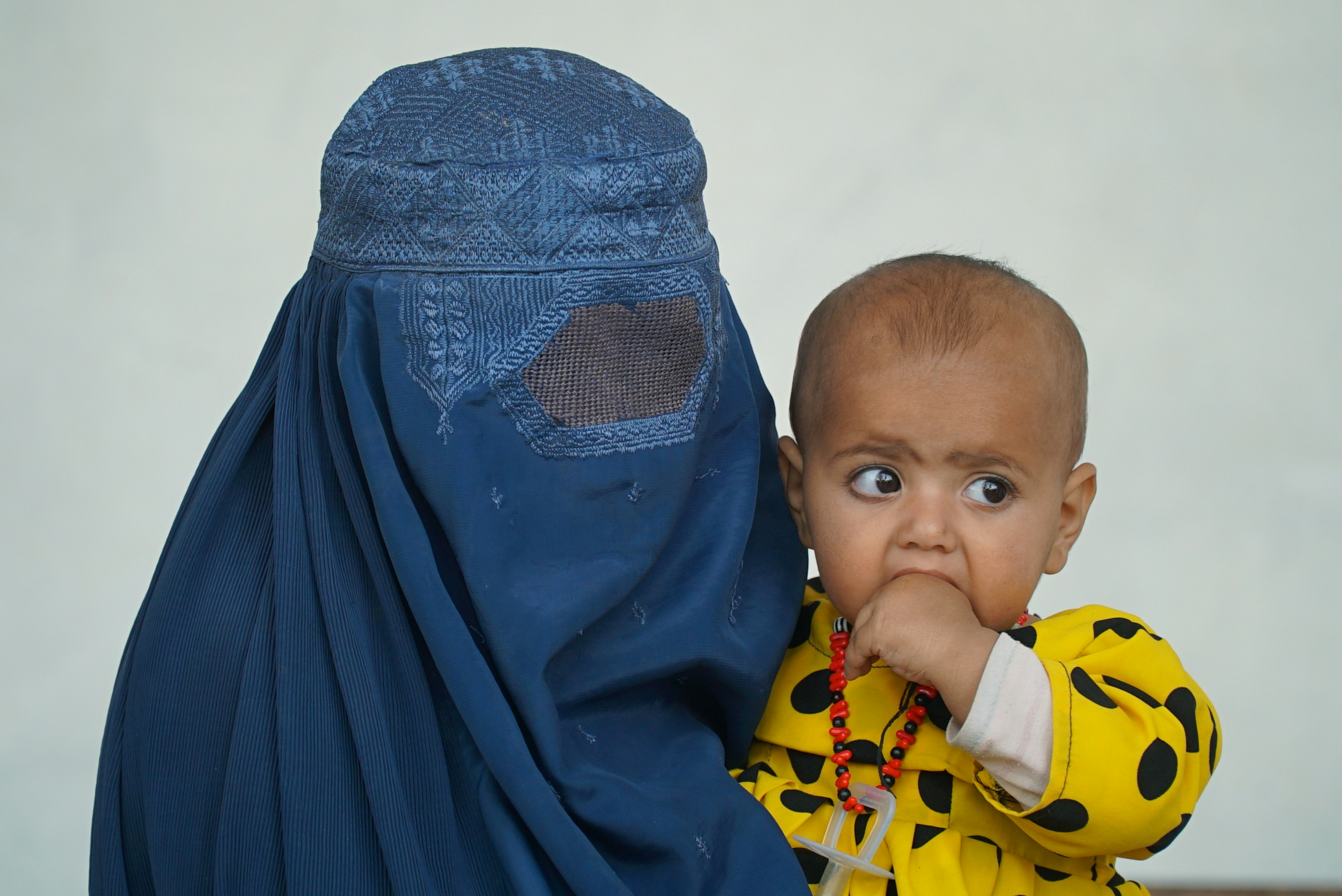
Photo by Wanman Uthmaniyyah on Unsplash
Why does the conversation on gender and gender equality cause such a conflict? Around the world, the mention of gender almost immediately causes a shift in people’s attitudes with many getting defensive before the conversation has even begun. When speaking about gender it refers to more than just biological sex, it also refers to expectations, identities and socially and culturally constructed roles within society. It is more than just how people identify themselves; it involves how individuals express themselves in everyday life from their clothing to their behaviour to something as simple as their voice. Gender plays such a significant role in many areas of society including schools, workplaces, and legal systems. So why is such an important topic so difficult for people to talk about? According to Butler, the anger around gender ideology is about more than gender itself, it can reflect deeper anxieties about change, family, the nation, and the economy (Butler, 2021). When the topic of gender inequality arises, many argue that it is unnecessary to talk about, as on paper gender equality exists in many places. However, I would argue this is an idea that belongs to close-minded individuals who may not experience the severity of gender inequality. Inequality can be seen in many practices around the world including pay, leadership and social expectations within the workplace and family but in many cases, these are not the greatest problems. Currently in Afghanistan women are losing the right to speak and the right to education under the taliban laws, this extreme level of gender inequality is almost ignored by most, who are under the impression that if there are equal rights in their own country then there must be equal rights worldwide. This view is due to the stigma around conversations on gender and educating those who are not aware of these events. Which is why it is so important that these conversations can happen without causing conflict.
Traditional gender roles have been ingrained in people’s head for centuries as well as the social expectations of what comes with being a ‘man’ or a ‘woman’ within key areas of life such as the family and workplace. This way of life has created a comfort for many individuals as it creates routine and a guidance to fitting into society as everyone knows what is expected of them. This results in any ideas of change being resisted and shut down to preserve this familiar way of life as it can feel threatening to those who do not understand it. Particularly when the rise of feminism, LGBTQ+ rights, trans rights, and overall gender equality introduces what is a newer and fairer way of life but may been seen as disturbing social order by some. This is why there is an increase in anti-gender movements such as in Hungary, ‘where parliament voted overwhelmingly to eliminate from public schools all teaching related top ‘homosexuality and gender change’, associating LGBTQI rights and education with pedophilia and totalitarian cultural politics’ (Butler, 2021).
Moving forward and creating a different view on gender and gender equality can be tricky but not impossible. Instead of starting conflict and feeling resistance towards the change, we need to try to truly listen to different perspectives rather than focusing on winning the debate. There needs to be more of an understanding that it is okay to not understand the complexities of these topics but having a willingness to learn will make a significant difference to how these conversations are held and the impact they make as well as respecting that these times can be confusing for many people, particularly the older demographics who are unfamiliar with these concepts, and instead of attacking people for disagreeing, try to understand their fear and be open to the opportunity of teaching others. Many aspects of this problem could be solved with proper education, rather than placing laws to coverup the rise of gender, such as Romania banning gender identity studies in school, we should encourage listening and being taught correct facts about gender and equality rather than being led by misinformation. This will create a social solidarity between groups to promote a collective rather than competition.
Overall, misinformation and fear are big factors in the conflict and divide that happens when the topic of gender arises due to the change it brings that many people are not familiar with. As butler (2021) argues, “backlash against ‘gender ideology’ reveals not moral decline but widespread social anxiety. Understanding those fears is the first step towards bridging the gap” making it clear that not everyone has malicious intent, but some do not have the opportunities to understand it as well as others.
References:
Butler, J. (2021) Why is the idea of “gender” provoking backlash the world over? The Guardian, 24 October: https://www.theguardian.com/world/2021/oct/24/
The Economist (2024) The Taliban is removing every shred of freedom from women], 19 September.- https://www.economist.com/asia/2024/09/19/the-taliban-is-removing-every-shred-of-freedom-from-women
Tidey, A. (2020) Romania gender studies ban: Students slam new law as going “back to the Middle Ages”. Euronews, 17 June: https://www.euronews.com/my-europe/2020/06/17/romania-gender-studies-ban-students-slam-new-law-as-going-back-to-the-middle-ages
Contact us
+44 (0) 161 306 6000


0 Comments