
Capitalism’s Chain Reaction: Climate Crisis and the Collapse of Wildlife
Article by Joseph McCormick
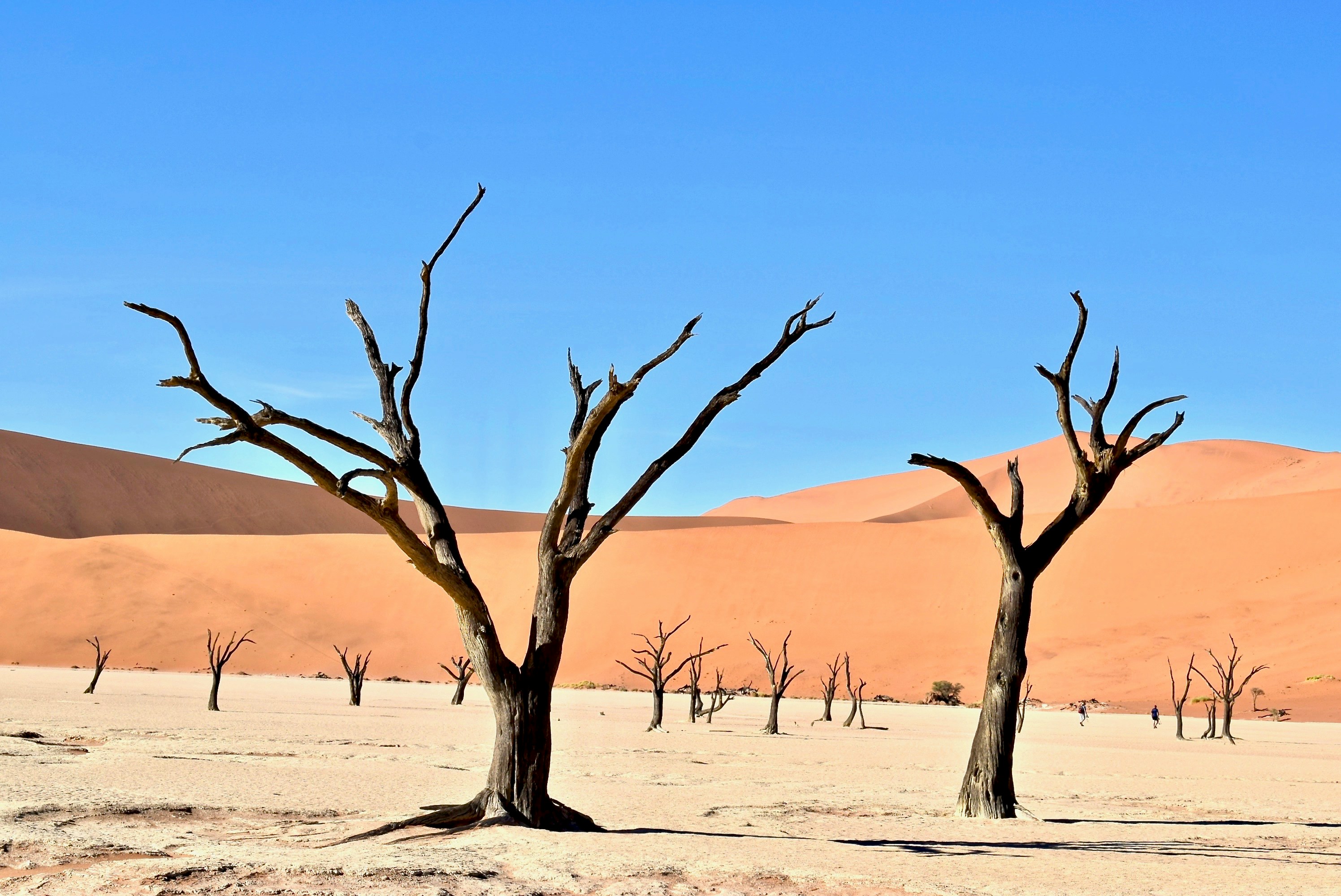
Photo by Parsing Eye on Unsplash
Wildlife populations have crashed by 69% over the past 50 years (Davis, 2022) as an almost direct result of capitalism which I will further expand upon in this article. Capitalism by its very nature drives environmental destruction. This is because the main objective of businesses that operate under capitalism is to maximise profits for their shareholders, even if it’s at the expense of the environment and the species in which inhabit it.
Capitalism’s need for continuous growth, which can be compared to that of a treadmill (Schnaiberg, 1980), has led to the extraction of finite resources on a massive scale, often prioritising profit above all else. This can be seen through an abundance of examples, such as the continued destruction of the Amazon rainforest by companies such as the Brazilian mining empire Vale who extracted more than 4 billion tonnes of iron ore from the Carajás mines (Jonathan Watts, 2023). Such mining operations demand extensive land use, leading to significant deforestation. The deforestation required for these operations endangers countless plant and animal species as well as disrupting the indigenous communities. The Amazon rainforest houses over 3 million species of plants and animals and one million indigenous people all of which are essential to the functionality of the rainforest (Santos, 2024). They help stabilise the ecosystem, maintain food chains, and support species that depend on each other. In addition, the amazon rainforest provides 9% of the world’s oxygen (Nevres, 2023) and practices like deforestation are major contributors to climate change as deforestation releases stored carbon into the atmosphere and mining activities themselves generate an abundance of carbon emissions accelerating the climate crisis and contributing to the rising temperatures disrupting ecosystems worldwide.
While capitalism has increased the standard of living for millions of people, it has done so at the expense of nature. Wildlife has been negatively impacted so much in the past 500 years, human activity has led to 500 species of land animals going extinct, a rate that has caused scientists to warn of a sixth mass extinction (Carey, 2015). Some may argue that climate change is a natural phenomenon and that humans are not to blame but the scientific evidence has demonstrated that human behaviour is the main driver of climate change (Swim JK, 2011). We are responsible for the current mass extinction of species and the suffering of animals, whether that is from rising temperatures which is disrupting the ecosystems to habitat destruction caused by resource extraction. As habitats shrink and ecosystems degrade, countless species struggle to survive and are often forced to migrate. This is seen with overfishing. Overfishing is when too many fish are taken out of the ocean creating an imbalance that can erode the food chain and lead to a loss of important marine life, including vulnerable species like sea turtles and corals (World Wild life, 2024).
Ultimately the chain reaction put into motion by capitalism’s relentless pursuit of profit is not just an economic or class issue, but also a profound threat to our planet’s biodiversity and overall stability. Corporations have known of the threat for quite some time but have completely ignored it as sustainable practices are viewed as more costly and less profitable. For example, in 1995 Royal Dutch Shell planned to sink the Brent Spar oil platform in the North Atlantic as a low-cost method of disposal (Weyler, 2016). However, this would have negatively impacted the ocean’s ecosystem, potentially releasing toxic substances that could harm marine life and disrupt delicate ecological balances that are present within oceans. Capitalism often blames consumers for how much climate change has progressed in the last hundred years. For example, there are massive programmes for household waste recycling, creating the illusion that consumer choices are the main drivers of environmental damages. Meanwhile, there is a lack of government funding or policies to ensure major corporations adopt green energy solutions of sustainable practices even though since 1988 just 100 companies have been the source of more than 70% of the world’s greenhouse gas emissions (Riley, 2017).
We must act now if we want our precious animals and wildlife to live as they once did, free from the threat of extinction caused by climate change which is at its tipping point, beyond which there is no redemption (Hansen, 2008).
What can we do? First, make it a priority in your life to contribute to organisations dedicated to wildlife conservation through either a financial contribution or donating your time. An example of one of these organisations is the World Wildlife Fund (WWF). Second, we should use sustainably sourced products, and avoid products made from endangered species. Finally, we must Protest and make our voices heard. Raising awareness and bringing negative media attention about what these multinational organisations are destroying in the pursuit of profit can help prevent them from continuing their ways as demonstrated by the Greenpeace activists who occupied the Brent Spar, sparking a media campaign and preventing the oil platform from being horribly disposed of in the ocean.
Contact us
+44 (0) 161 306 6000


0 Comments