
The Global Gender Debate: From Backlash to Understanding
Article by Taeeun Kim
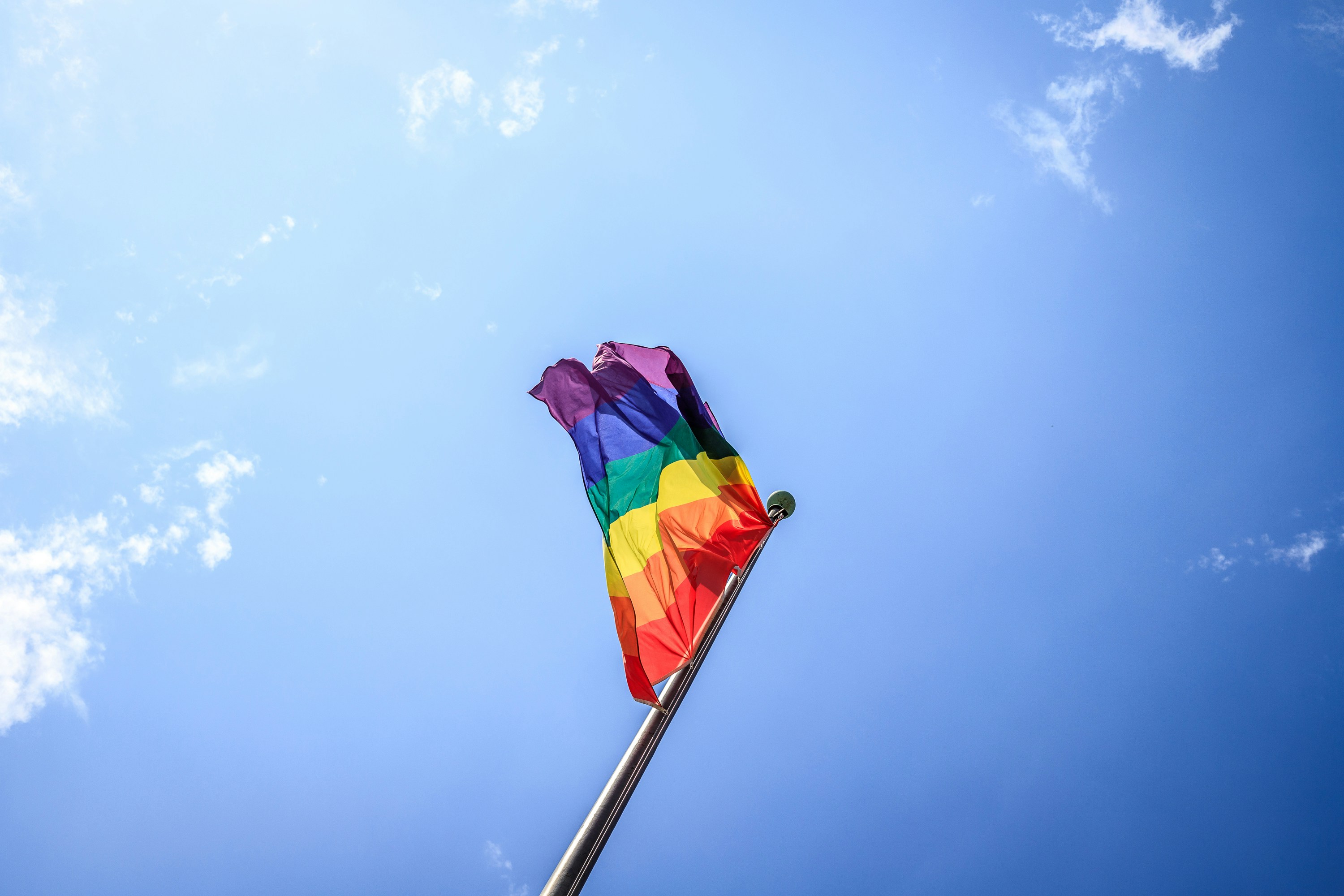
Photo by Tim Bieler on Unsplash
Have you ever wondered why discussions about gender are stirring up heated debate all over the world? From school and work to politics, terms like “gender ideology” are not always positive, but they often provoke strong reactions. But what exactly is behind this worldwide backlash, and why is it important to our society?
Over the past two decades or so, the anti-gender movement has gained increasing influence in the world. These groups disagree with widely accepted social values such as gender equality, feminism, and LGBTQ rights. Also, they implement policies and activities that underline traditional gender roles and norms. According to a study by Graff and Korolczuk (2022), these movements are deeply based, particularly on Christian doctrines that strongly support traditional gender roles. Initially focused on advocating for moral and religious values, these movements are evolving and increasingly connected with nationalist and right-wing populist politics, forming networks that span countries and continents.
However what is interesting is that the term “gender’ has become a symbol of social chaos beyond mere language. Rapid changes in economic conditions, family patterns, and workplace culture cause confusion in some people. Anti-gender activists exploit these fears to bring groups together with little in common. Graff and Korolczuk describe it as an opportunistic coalition that broadly shares an emotionally charged and simplified message.
Several municipalities in Poland declared “LGBT Free Zone,’’ declaring that they would not support or promote the so-called “LGBT ideology” (European Parliament, 2019). These regional policies sparked protests from citizens, which later led to legal action (Euronews, 2022). These declarations show that anti-gender movements can even affect actual policies, such as schools, local councils, and community initiatives.
In the United States, the debate over transgender students’ participation in women’s sports is attracting national attention. The California State Legislature has not passed a bill to limit the participation of transgender athletes. This case revealed a conflict between individual rights and traditional social norms, while at the same time sparking discussions on how society is accepting issues of gender diversity and equality. In particular, this debate has a great influence on policy-making in educational institutions and the sports world, as well as gender perception in the media and public discourse (Associated Press, 2025). These examples show that anti-gender rhetoric is not limited to one country, but is part of a global conversation about values, identity, and social change.
According to Butler (2021), the perspective of gender as a risk helps anti-gender activists connect various anxieties, such as family, morality, and national identity into a single story. In this context, it could explain why “gender ideology” has become a politically important phrase worldwide.
Social media spreads information both correct and incorrect, extending these arguments. Comprehending the social background of these protests shows the reason why gender issues are still considered controversial. The anti-gender movement stems from a deep fear of social change and a response to academic theories. Therefore, it is important to recognise this movement as a political and cultural influence.
So, what can we do as readers, citizens, and participants in public life? Clearly distinguishing between false beliefs and facts is the critical first step. Gender discussions are not just debates or threats, but play a role in helping society realise equality, respect, and human dignity. Therefore, thinking based on accurate information and actively participating in conversations are very important to create a fair and inclusive society.
In addition, encouraging inclusive education and open communication can significantly reduce people’s fears and misunderstandings. When gender is accepted as a framework for understanding human diversity rather than as a social threat, anti-gender arguments and rhetoric are greatly lost in persuasion.
Gender debates arouse strong emotions, but at the same time give us an opportunity to think about the values that our society values. These discussions allow us to reflect on what kind of world we want to live in. Is it a world that respects equality and diversity, or is it a world that is bound by fear and strict norms? With sufficient information, questions, and support for inclusive policies, gender discussions can contribute to broadening understanding rather than conflict between people. Margaret Meade said, “Never doubt that a small group of thoughtful committed citizens can change the world”. In gender debates, every little choice has its meaning, and this active participation is a great support in creating a society that respects equality, fairness, and human connection.
References
Butler, J.(2021) ‘’Why is the idea of ‘gender provoking backlash the world over?’’ The Guardian, 23 October [Online].
Graff, A. and Korolczuk, E. (2022) Mapping the anti-gender campaigns as a global movement: from religious trend to political struggle, In Anti-Gender Politics in the Populist Moment, New York, NY: Routlege, pp. 38-66.
European Parliament. (2019, December 18). Parliament strongly condemns ‘LGBTI‑free zones’ in Poland. Available at: https://www.europarl.europa.eu/news/en/press-room/20191212IPR68923/parliament-strongly-condemns-lgbti-free-zones-in-poland (Accessed: 8 November 2025)
Euronews. (2022, June 28). Polish appeals court orders four towns to scrap ‘LGBT‑free’ declarations. Available at: https://www.europarl.europa.eu/news/en/press-room/20191212IPR68923/parliament-strongly-condemns-lgbti-free-zones-in-poland (Accessed: 7 November 2025)
Associated Press. (2025, April 1). California lawmakers reject bills to ban trans athletes’ participation in girls sports. Available at: https://apnews.com/article/bc295b65ce04e5f8df7792545263f393 (Accessed: 7 November 2025)
Contact us
+44 (0) 161 306 6000


0 Comments