
My Career Journey as a PPE Graduate
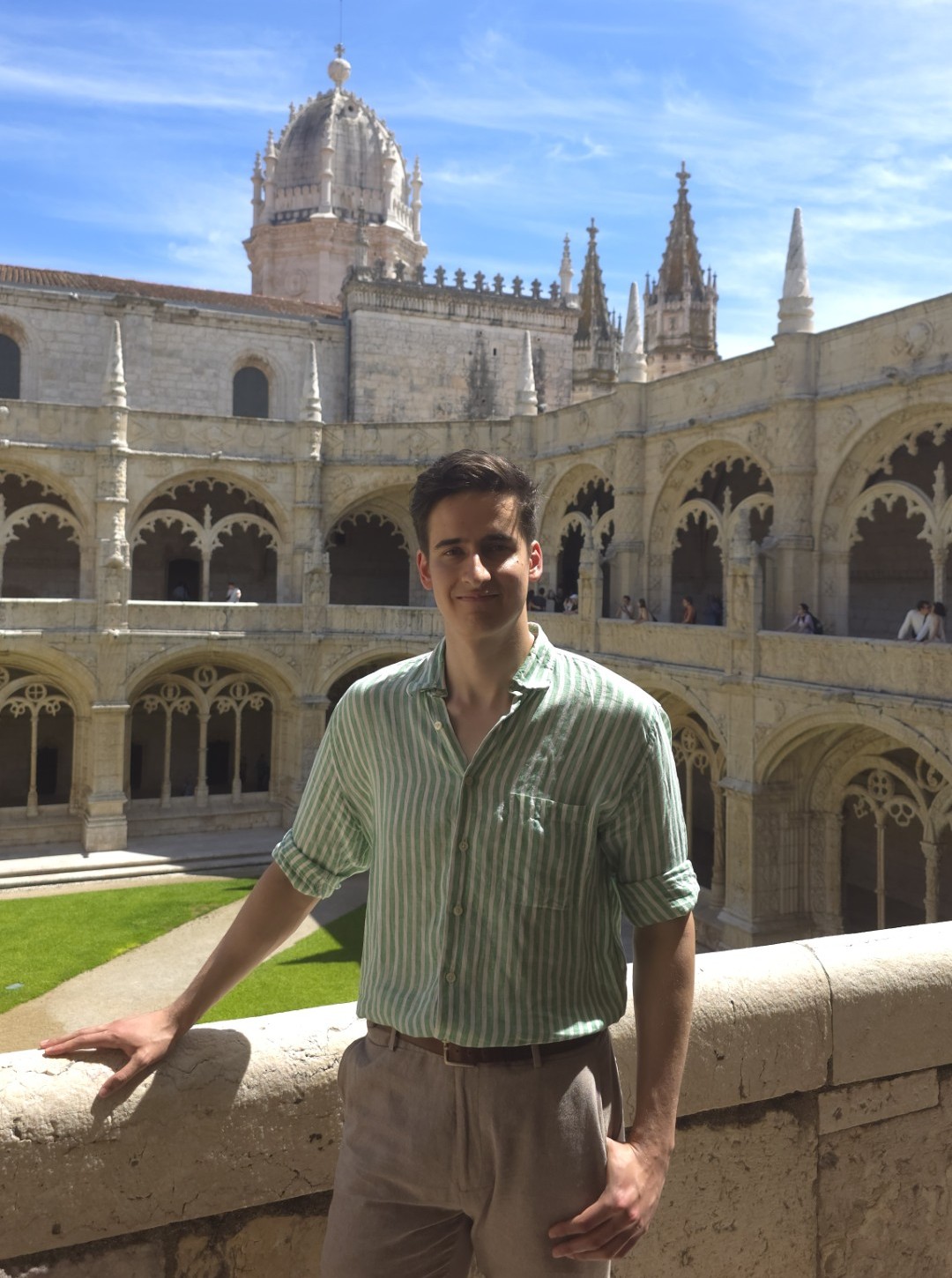
My name is Bálint, I studied Politics, Philosophy, and Economics at The University of Manchester, and I graduated in 2024.
My current role
I am currently working in HMRC’s Offshore Compliance Analysis team. The reader is probably aware of how a lot of people avoid paying taxes in the UK by holding assets (e.g. stocks, bonds, real estate) abroad. The government is trying to tackle that by entering into data sharing agreements with other countries and conducting awareness campaigns. My job is to evaluate how effective such agreements and campaigns have been in the past and to estimate how much money they might bring in in the future.
What that means in terms of my day-to-day life is that I do a lot of research using both academic and non-academic sources to learn about the main forms of offshore tax avoidance and the overall size of the issue. I also use Excel and Word a lot to create costing models and document them. I occasionally use additional software like R to clean data, create datasets, and run regressions.
How my studies have helped me in my role
Courses in econometrics taught me how to use software like R and Stata, which is definitely a useful skill to have as a government economist. Understanding how we can identify causal effects using regressions is also crucial, which is the main thing courses in econometrics focus on.
Being able to write well is also important in the Civil Service. I write lots of emails to people with different levels of understanding of my work and present it at a level of detail appropriate for them. I also write detailed documentation for all my analyses. My courses in philosophy and politics helped me learn how to do that well.
Extracurricular activities and work experience
I studied abroad at the National University of Singapore in the academic year 2022/23. This was probably the single most impactful experience of my time as a student. I made lots of new friends and got to explore a country and region that I probably never would have had the chance to otherwise. I also got an additional year to think about my career and apply for internships. I used this year to start specialising in economics, and without it, I don’t think I would have been able to do some of the internships I did, as well as receive master’s offers from Oxford and the Paris School of Economics.
I also did a Q-Step Data Fellowship at the Centre for Local Economic Strategies in the summer of 2023. I worked on an original research project there, where I was responsible for everything from identifying a research question within a broader topic, to sourcing data, analysing it, and visualising and presenting findings. I enjoyed the work, but the experience also made me realise that the type of research think-tanks conduct can be different from academic research, and that I probably prefer the latter.
Two additional things that made the Q-Step experience stand out were its focus on reflection, and the fact that it was paid. As a Data Fellow, I had to write detailed reflections on my work, highlighting how it taught me data skills essential for several modern-day jobs, which helped me improve my CV and cover letters. And the fact that I was also being paid a living wage while working there was why I could undertake the internship in the first place – otherwise, I probably could not have stayed in Manchester over the summer.
Future career aspirations
I am currently on the Civil Service Fast Stream, which is the UK Civil Service’s leadership scheme. Its aim is to enable young Civil Servants to take leadership roles after just 3-4 years. My current plan is to finish the scheme and work in such a leadership role for at least a couple of years. Depending on how I find that, I plan to either stay in the Civil Service or try my hand at private sector jobs, probably in economic consulting.
Advice for future students
If you don’t know what you want to do after you graduate, don’t just think about it. The two best things to do are 1) trying stuff and 2) talking to people. Importantly, trying stuff doesn’t necessarily mean doing an internship, as that’s quite a large commitment. It’s worth gathering as much information as possible first on what different job titles mean, and what a career in different industries looks like. If you spend a couple of hours reading about a job/field and still find it interesting, you may pursue a larger commitment, but even then, it is probably too early to start applying for jobs. Arrange some meetings with people who work in that field first, and if you are still interested, try to undertake a small project similar to the work you might do in that field. Maybe spend a week or two on that. If that goes well and you are still interested, it might be time to start applying to internships. But only then. Chances are, by using a method like this, you’ll be able to shorten your list of potential careers significantly.
A few words about talking to people: it’s very easy nowadays to just reach out to people on LinkedIn and ask them about their jobs. The University’s Careers Service also organises lots of networking events. The important thing is not to be fooled by fancy job titles and professional jargon – when you’re talking to someone, try to find out what their day-to-day job actually looks like. Try to ask them what they like the most and what they like the least about their jobs. Or how it is different from what they expected it to be like. I can guarantee that if you ask the right questions, the answers will bring you closer to finding the right path for you.
Related
Contact Us
+44 (0) 161 306 6000


0 Comments