
About the Philosophy and Logic Summer School for Women
This summer, the University of Manchester welcomed a group of talented young people to its annual Critical Thinking and Social Justice Summer School, a four-day programme designed for 16-18 year-old women and girls from widening participation backgrounds to introduce students to the power of philosophical thinking, reasoning and equip them with practical tools for navigating an increasingly complex world. Co-organised by Frederique Janssen-Lauret and Maheshi Gunawardane, this initiative forms part of the University’s ongoing commitment to widening participation and increasing access to higher education for underrepresented groups. The programme took place from 27th to 30th July 2026 and was delivered in partnership with Elizabeth Gaskell’s House.
Study programme
Throughout the week, students were introduced to philosophy not as an abstract academic subject, but as a practical set of skills that can help individuals analyse information, evaluate evidence, and engage thoughtfully in public debate. Sessions explored the foundations of philosophical enquiry, including the nature of arguments, logical reasoning, and the distinction between good and bad arguments. Students also developed their understanding of formal logic through activities on logical operators, truth tables, and translating everyday statements into logical form.
A distinctive feature of this year’s summer school was its emphasis on twentieth-century philosopher Susan Stebbing, whose writings on thinking and reasoning remain highly relevant today. Through interactive presentations and group discussions, students examined Stebbing’s emphasis on clear thinking, the dangers of misleading language, and citizens’ responsibility to critically evaluate political and social claims.
In addition, our summer school strongly emphasised active learning. Students participated in debates, collaborative exercises, and group discussions that challenged them to apply philosophical concepts in practice. By working together to analyse arguments and defend different viewpoints, students developed confidence in expressing their ideas and engaging respectfully with others whose perspectives differed from their own. One highlight of the summer school was poster-making and presentation. Working in groups, participants designed creative posters that communicated philosophical ideas and themes explored during the four-day period. This activity encouraged students to put the theoretical knowledge that they learnt into practice.
Fostering confidence and empowering participants
Alongside its academic aims, the summer school sought to foster a sense of belonging and confidence among participants. It was designed to help students see philosophy and logic as accessible subjects to students from all backgrounds while encouraging them to consider higher education as a realistic and achievable pathway. The programme concluded with a celebration of students’ achievements and the presentation of certificates.
Reflecting on the University of Manchester’s commitment to educational outreach and widening participation, the summer school demonstrated how philosophy and logic can serve as both an academic discipline and a practical resource for everyday life. By introducing students to critical thinking, logical reasoning and the ideas of influential women philosophers such as Susan Stebbing and Dorothy Emmet, the summer school gave participants valuable intellectual tools while inspiring the next generation of thinkers, leaders and engaged citizens.
Local partners
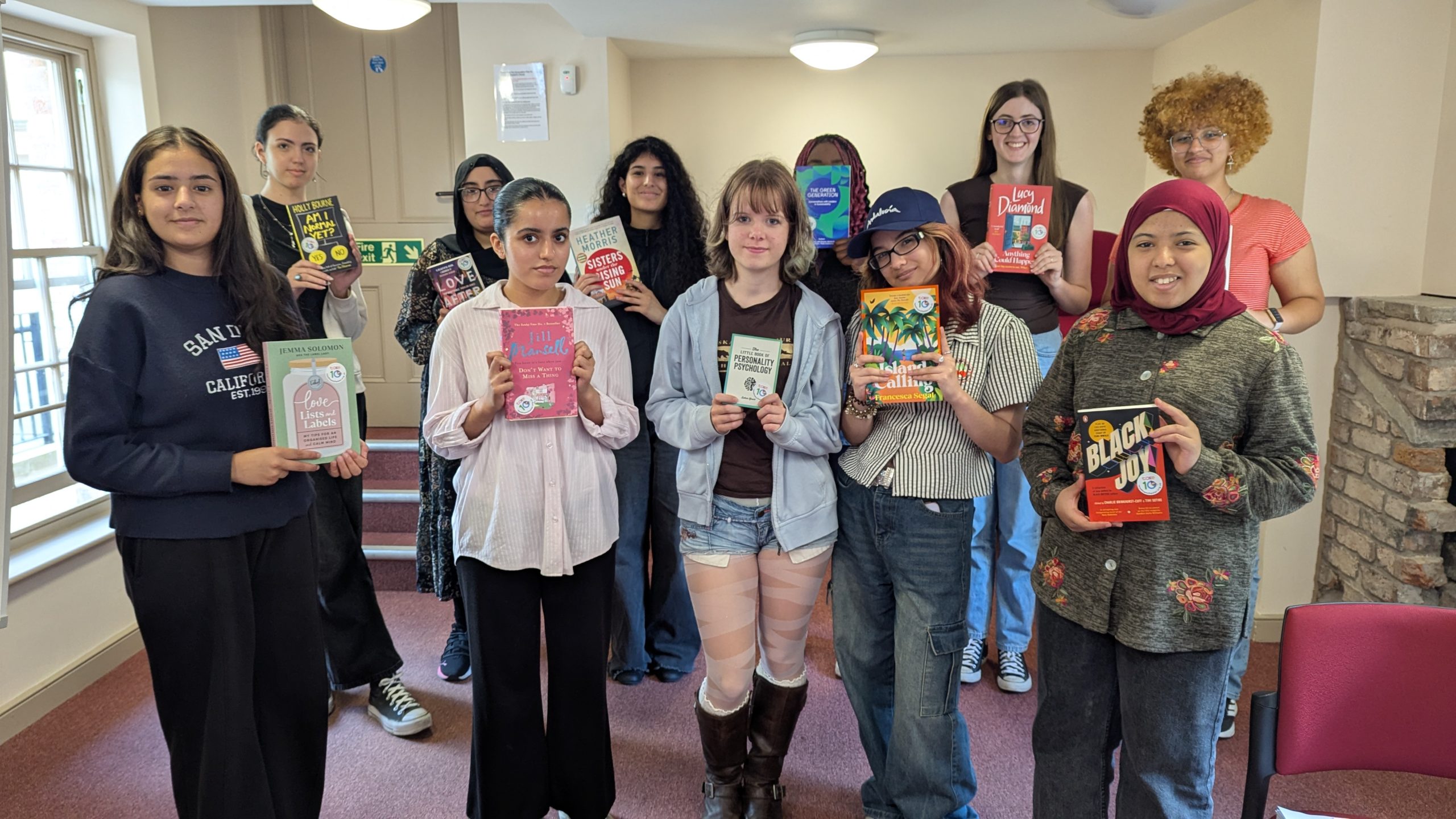
Working with our local partners was a key success factor in our summer school. We had three local partners who supported our summer school. The National Literacy Trust provided books for widening participation students, the Manchester Museum sponsored a free group tour for the students, and Elizabeth Gaskell House provided space to display the students’ posters, hold the poster presentations, and host the award ceremony. Similarly, our funding sponsors have been a pillar of success without which the summer school could not have been completed successfully, such as the University of Manchester – School of Social Sciences (SOSS) Social Responsibility team and and Faculty of Humanities – Research Impact team, Society of Women in Philosophy (SWIP), and Philosophy of Education Society of Great Britain (PESGB).
Participant feedback
Comments from participants and external partners on the impact of our summer school can be found below:
- “The sessions were well planned, and I gained a plethora of new information and a greater understanding of philosophy and logic” (Student 1)
- “One of the important things that I learnt from the summer school is the importance of philosophy in general and how it constructs the lives we live” (Student 2)
- “I learnt to think more logically and think deeper. I also learnt a lot more about philosophy” (Student 3)
- “I wish the course could be repeated, since this experience will help me in the future” (Student 4)
- “The session on Susan Stebbing was incredibly valuable”
- “We are delighted to support the University of Manchester’s Critical Thinking and Social Justice summer school in 2026 by sponsoring books for participants aged 16–18. We are particularly pleased to be supporting an initiative that helps young people engage with new ideas, explore higher education opportunities, and build skills that will benefit them throughout their academic and professional lives” (Project Officer, Literacy Champions (Manchester) – National Literacy Trust)
Written by Frederique Janssen-Lauret, Senior Lecturer in Philosophy, and Maheshi Gunawardane, PhD Student in Philosophy.
Related
Contact Us
+44 (0) 161 306 6000


0 Comments