
Reducing Global Inequality is Vital to Help Make all Societies More Resilient Against Global Crises Such as the Covid 19 Pandemic
Article by Laura Goodwin
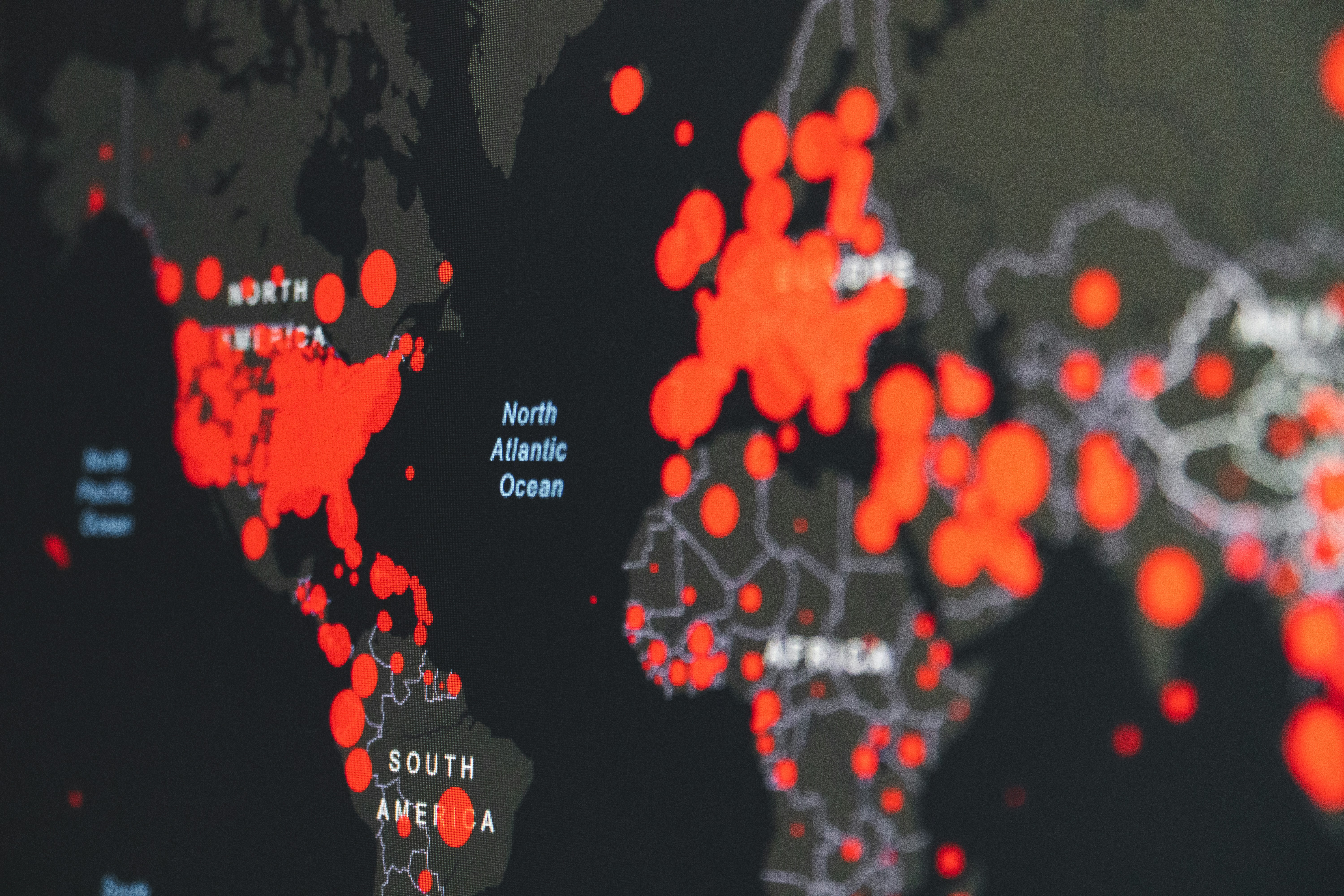
Photo by Martin Sanchez on Unsplash
First of all, global inequality is defined as the uneven status, resources, opportunities or rights that affect people’s life chances. This social relation affects the 8 billion individuals on our planet which explain why it’s currently one of the most debated sociological issue. In times of crises, social ills caused by inequality can leave societies extremely vulnerable. Indeed, the Covid 19 pandemic revealed how important reducing inequalities is for the cohesion and resilience of all societies, not just those with higher poverty rates.
Countries put into place systems to ensure their durability and the well being of the people. One of the aims of these systems is to insure equity in healthcare. The effectiveness of these systems however depends on the country. Indeed, societies that are more equal have been proven to have better social cohesion, health outcomes and responses in the face of crises. This can be explained by the fact that they have better funding, management, access to resources, support systems, etc.
These observations by Wilkison and Pickett in chapter 9 of The Spirit Level agree that the resilience of a country is impacted by the level of equality. Furthermore statistical data from BMC Health Services Research show COVID 19 responses from countries with lower inequality. Such as the Scandinavian countries who handled the outbreak well thanks to their social cohesion and strong healthcare system, indeed the swift implication of lockdown, social distancing and the distribution of the vaccine was very efficient. Where as countries with higher inequality struggled. For instance, Brazil who was criticised for it’s lack of coordinated national strategy and delayed implantation of preventative measure or Mexico who struggled with limited testing and healthcare resources. However, it is logical for these countries to struggle with this crisis considering they were already lacking vital inequality, existential inequality or/and resource inequality. In this way, the coronavirus only highlighted the global inequalities. This flagrant separation between dependent and independent countries was worsened during the conditions of the pandemic. Indeed, a case study in India reported that masks and disinfectant were too costly for most people. Furthermore, in an interview by DW news, Indian people reported that it was virtually impossible to stick to coronavirus health regulations at the workplace and at home considering that in a Indian household, there’s 8 to 10 people. One other man also mentioned the issue of food, “Lockdown would mean starvation”.
Then, UNESCO reported that in 2020, 880 million children worldwide had suffered educational disruption as a result of partial or full school closures. This was disastrous for societies since education is a key factor when it comes to helping people escape poverty. Moreover, rural medical staff was recalled to the cities, prices for staple food tripled, there was a disruption in social relations, loss of employment worsened. It is also important to mention that people over 65 only consist of 4% of India’s population, in contrast to 20% for the global north. While for the poorer part of societies, the inequalities worsened, for the wealthy, the stock exchange made them richer. In a study, Oxfam organisation called it the inequality virus. Indeed, all these inequalities underline why it’s important to break the vicious cycle of “making the rich, richer and the poor, poorer”.
The difference in terms of social support systems and community cohesion in assuring resilience between societies is explained in The Lancet, who published analysis of social determinants of health. All of which correspond to the three types of inequalities.
The covid 19 pandemic reminded people of the importance of reducing global inequality to improve a country’s resilience, but we can also note that it contributes to the global health security. Indeed, since the world is now interconnected by tourism and trade, this means that health threats also spread faster as seen with Covid 19. To reduce global inequalities, The Lancet suggest starting with equitable access to healthcare and economic resources a since it can mitigate the effects of previous and future pandemics and enhance resilience globally.
The example of Covid 19 shows that Global inequalities and the management of crises are tightly interconnected. Which emphasizes the seriousness of global corporation and reforms to reduce inequalities in a collective effort to make all societies more resilient to other global social challenges, for example climate change.
Contact us
+44 (0) 161 306 6000


0 Comments