
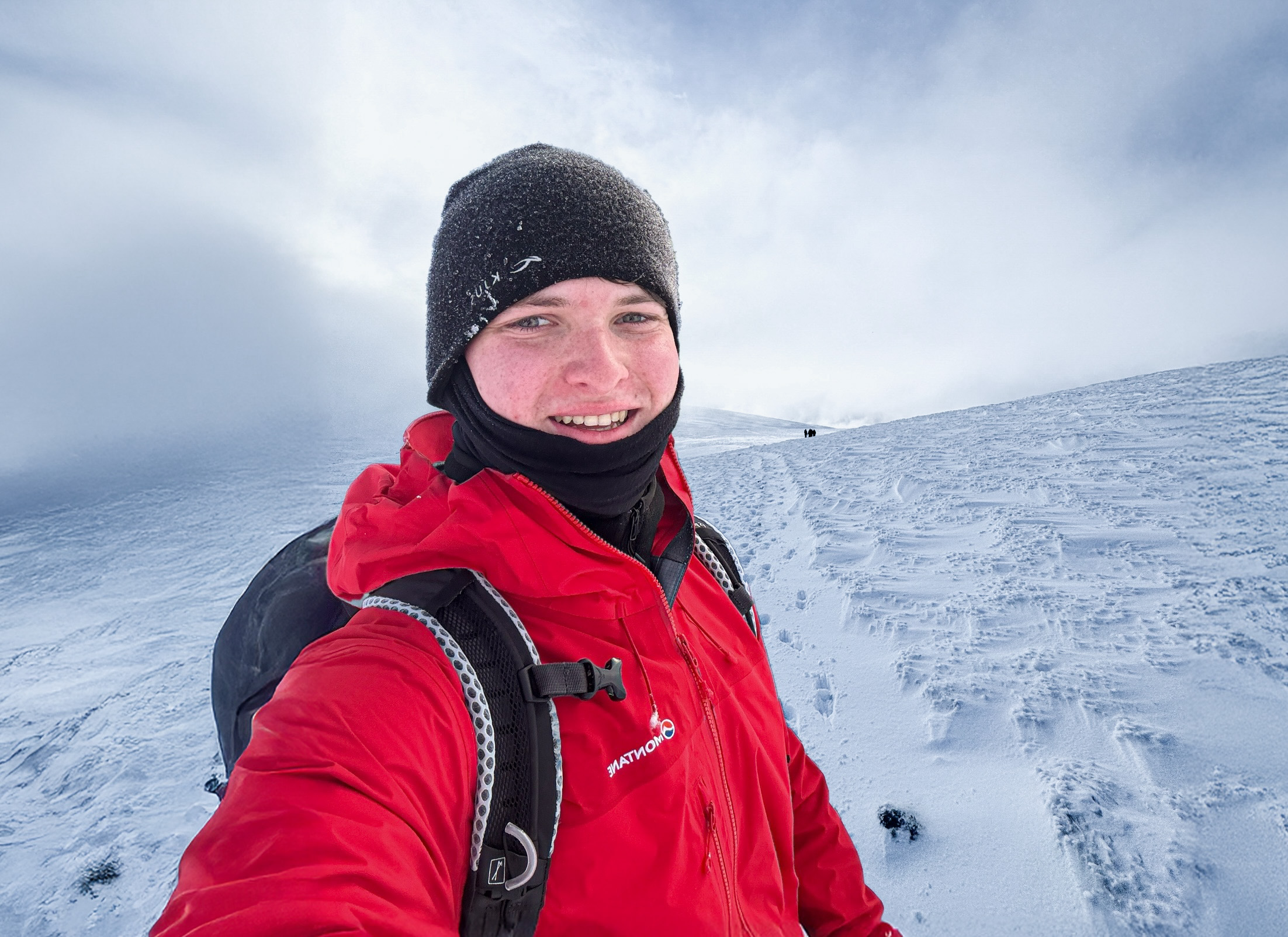
Why I chose Environmental Management and my favourite things about the course
What is Environmental Management?
I get asked this question by everyone, including family and friends. The answer varies individually, depending entirely on personal interpretation. I see it as a chance to develop my understanding of the planet that we live on. While standard geography builds a foundation in environmental processes, Geographical Information System (GIS), environmental science. We focus more on ecology and conservation, comprehensive environmental management, corporate sustainability, environmental planning and environmental law.
Why did you choose Environmental Management at University of Manchester?
Environmental management isn’t just a bachelor in my eyes – it’s a lifestyle. Growing up surrounded by nature, I’ve always had curiosity about how the natural world works. Environmental Management has allowed me to get in-depth learning of our planet. You might ask why Manchester out of every university? Manchester consistently ranks top 50 globally, but it also ranks 1st for sustainability in the world. Learning from professors and working professionals with decades of experience in some of the most important topics of our time means I get insights that go far beyond the textbooks.
What are your favourite take-aways of the first year?
Before starting my BSc in Environmental Management, I never expected to have a field trip every fortnight. We’ve been out in rivers sampling for aquatic macroinvertebrates to measure water quality, sampling soil at the Formby National Reserve, quadrat sampling in burnt peat in the Peak District and so much more. My favourite trip of the year was at the Lindow Moss restoration project, it’s a 10 year environmental effort to heal and re-wet an ancient 5-square-kilometre peat bog located near Manchester Airport. We didn’t just look at the efforts being made; we actively took part in taking repeated pH, conductivity and temperature readings. Contributing data used in ecological restoration planning.
What can you do after graduating from your degree?
Because the discipline mixes so many different areas, the options are endless. You can go into consulting, whether that’s environmental consulting – helping companies meet environmental laws – or sustainability consulting, advising businesses on green tech. You can also go into applied science and data roles, working as an environmental scientist, GIS analyst, or field biologists. But you can’t forget conservation & resource management, with positions such as conservation officers, water resources managers and land remediation specialists. The list goes on, but those are the areas I am most interested in possibly pursuing.
What are you looking forward to most in your second year?
I’m personally looking forward to developing my understanding of ecology further; we get to study a module in Landscape Ecology to explore the structure and function of landscape. Because I have a personal interest for hiking and mountaineering, I plan to focus my dissertation on combining my degree with a mountain edge. I hope to learn how to take sampling methods into my adventures to further understand how pollutants interact with the environment outside of urban landscapes. I am also really looking forward to our trip to Portugal around March. It’ll be an amazing opportunity to gain a better understanding of how environmental management works outside of the UK and within a completely different culture.
Written by David Leszczynski.
Contact Us
+44 (0) 161 306 6000


0 Comments