
Poverty and Inequality: The root of all evil
Article by Lucy Stevens
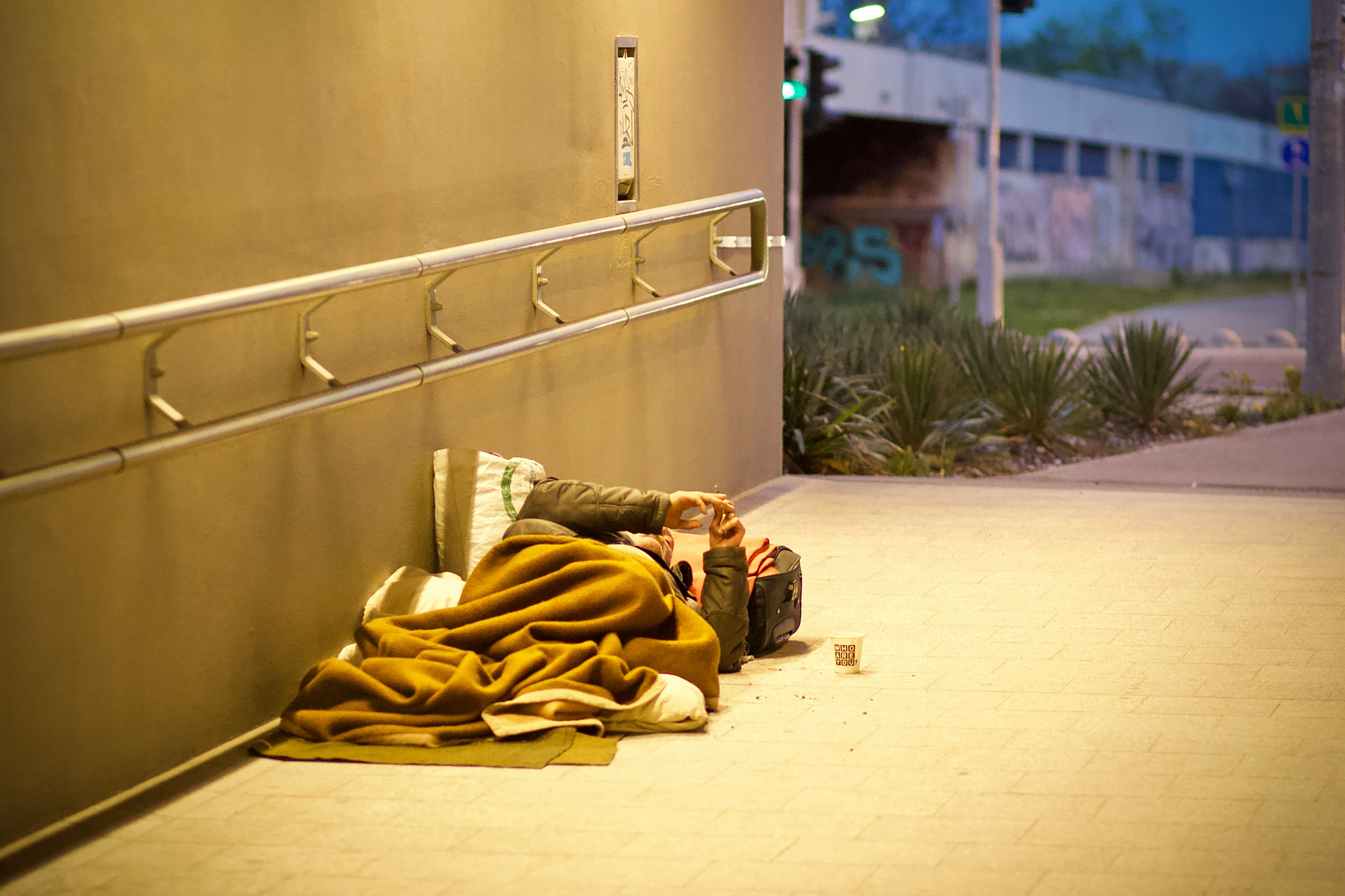
Photo by Mihály Köles on Unsplash
“As long as poverty, injustice and gross inequality exist in our world, none of us can truly rest.” – Nelson Mandela
As the UK battles against the increasing cost of living crisis, the gap between the rich and poor becomes increasingly prevalent. As these drastic differences in wealth and equality continue to grow on a global scale – who is responsible in policing the greed of humankind?
In early 2021, the UK’s inflation rate remained under 1% however quickly rose to 11.1% in October 2022. Global factors such as the fallout from the coronavirus pandemic acted as a catalyst in this sharp increase. Despite this, Oxfam (2022) reported that while the incomes of 99% of humanity are worse off due to Covid-19, the wealth of the 10 richest men doubled. This is evident in showing how great poverty can live among extremes of wealth on a global scale. This opens the discussion, posing questions of how the redistribution of wealth can elevate global stress and poverty. While most agree that the rich are too rich, how long does this opinion stand until someone has access to large amounts of money themselves? Is money the root of all evil?
Wilkinson, R and Pickett, K (2010) draw on a distinction between poverty and inequality, arguing poverty is not merely a ‘small amount of goods’ or a ‘relation between means and ends’ but rather more complex, seeing it as a ‘social status’. Building on this argument, we can understand why developed western powerhouses such as the USA and UK have large social and health problems despite have large amounts of wealth. Their figures show that countries including the USA and UK sit at the bottom of equal countries, as the ‘richest 20 per cent get about nine times as much as the poorest.’ Wilkinson and Pickett’s ideas suggest that social problems they examine including mental illness, imprisonment rates and obesity are more prevalent in unequal societies. This can still be applied to the poorest members of these societies despite them being comparatively wealthy on a global scale compared to developing countries.
Inflation can be defined as the increase of goods and services within an economy. However, as the price of necessities to live increases, wages become unable to meet the rate of inflation leading to a rise in people entering poverty. As mentioned earlier, one leading factor that spurred the UK into the current cost of living crisis and rising inflation was the coronavirus pandemic. The combination of lockdowns and demand for goods led to increased expenses with disruptions caused in the supply chain. Alongside this, Russia’s invasion of Ukraine on the 24th of February 2022 both led to the escalation of their conflict as well as ‘soaring energy and fuel prices’. These factors illustrate clearly how poverty and inflation are not caused purely by the actions of one country and instead are a global issue. Global events have a ripple effect around the world making poverty a consequence of countries own personal actions. This interlinked nature makes inequality and economic changes the responsibility of both national governments as well as leaders across the world working together. But, who truly is responsible in helping the global poverty and inequality problem?
The issue of poverty and inequality in a global age is a complex issue as shown above and one that cannot be fixed simply. Despite this, it is clear that change needs to be made as ‘13.4 million people lived in poverty in 2020/2021’. It has been deemed as an essential global issue with reducing inequality and poverty being ‘central to the UN’S Sustainable Development Goals and the World Bank Group’s twin goals for 2030.’ This shows a sense of action being taken by those in charge however, there is a responsibility from both governments and those who have the privilege to vote. Governments need to use their power to focus on helping the whole nation instead of a small number of elites with privilege and wealth. Alongside this, as voters in western countries such as the UK, there is a personal duty to use our own voices and access to help the global issue of poverty best we can by voting in governments who prioritise such issues.
‘If poverty is a disease that infects the entire community in the form of unemployment and violence, failing schools and broken homes, then we can’t just treat those symptoms in isolation. We have to heal that entire community.’ – Barack Obama
Contact us
+44 (0) 161 306 6000


0 Comments