
Societal norms, Capitalism and climate: The silent paradox no one wants to talk about
Article by Alejandro Edenborough
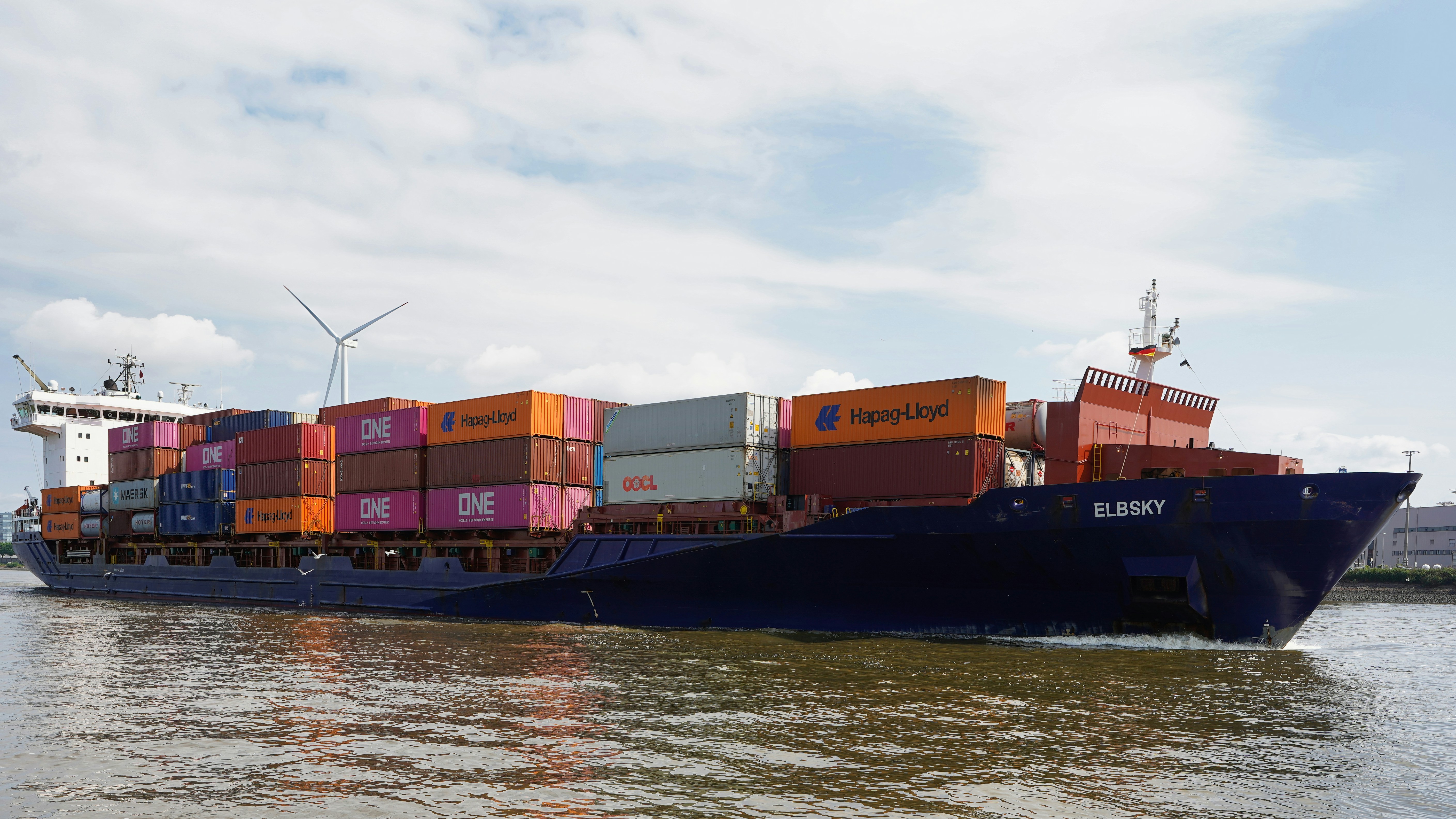
Photo by Wolfgang Weiser on Unsplash
It is not an uncommon idea amongst society today to view capitalism as a source of many of the bad things that are in the world. Evils such as slavery, exploitation of workers, mass wealth inequalities are undeniably driven by capitalist motivations. Today we will be looking at climate change, a threat all too often disregarded by governments and public, so much so for some political ‘leaders’ such as Donald Trump to determine it “an expensive hoax”. However, I would like to think that all it would take for our trans-Atlantic friends and the man that governs them is a conversation with John Urry who writes that the Pentagon deems “its threat… Far greater than that of terrorism”.
You may be reading this and wondering: what on earth has this got to do with wealth hoarding and capitalism? Urry begins by looking at the concepts of leisure and hedonist attitudes instilled in society. He discusses a term called the “mobility complex” which is as a result of increased trade of world goods, cheap air travel and international education. In contemporary society these all seem like perfectly normal and even beneficial things that contribute to our society. The migration of cultures which promotes diversity in our cities, the opportunities to see the world for a much more affordable price, allowing travelling to be for all members of our society not just the wealthy. Globalisation of goods and services creates jobs boosts economic growth. All these things seem to be good things, which in many ways they are, however they contribute to carbon emissions around the world. So, this brings us to the paradox of how the way our world works, and the attitudes surrounding economic development are instilled in our society are incompatible with the stability of our planet, thus with our future. Urry talks about this being an “ecological contradiction”. T Leahy writes that “Capitalism as a growth economy is impossible to reconcile with a finite environment”. This leaves us with a rather bleak thought of the inevitability of humanity’s downfall.
Capitalism undermines its own existence as it is self-refuting and contains a logical flaw. Capitalism is a socially constructed system that causes climate change, however when the effects of climate change materialise themselves then there will be no society left as it will be the end of humanity. Therefore, one must ask, where is the logic in our Capitalistic ventures of society today? However, to suggest that we must adopt new societal systems is an oversimplification of the issue at hand. The ‘Great Addiction’ to oil is commonly talked about in this topic. Oil has become vital to virtually everything in our planet. Much of American and European foreign trade policies are built on oil interests as it is embedded into most industrial, agricultural, commercial, domestic and consumer systems. Additionally to this, many third world countries’ economies are built on tourism, so how can one ask to increase the cost of air travel which may subsequently leave these communities with a decrease in business. Capitalist attitudes are also incredibly difficult to break in the West. Especially when looking at the context to how our societies are ran today with post-Cold war legacies still living on. The idea that capitalism is the true political victor leaving Communism as an evil of the past. This translates into the modern world with hotspots such as Dubai, or big economic cities such as London and New York where capitalist competition is encouraged and seen as part of the culture of the cities.
Early Sociologists such as Marx and Engels draw on the analogy that the modern Bourgeois society is like a “sorcerer” who cannot contain his “spells”. Urry builds upon this idea using the analogy that capitalism and its effects are like a ‘genie’ who has been let out of its bottle and is unable to be reversed or controlled. This forces us to wonder if the world can ever achieve a controlled capitalism or is it in our nature as humans to be selfish and lustful for power and wealth as the realists say.
All this being said, I do think that although Urry and Marx have strong arguments and useful analogies for understanding the severity of the situation on our planet, a ‘reformed’ capitalism is not impossible. This can be done through regulation of financial markets, adoption of legal frameworks and taxations on the megarich. One can harness the profit motive and apply it to renewable energy sources to create incentive for reluctant stakeholders such as China to move away from harmful energy sources.
Contact us
+44 (0) 161 306 6000


0 Comments