
The Climate-Capitalism Paradox: When Economic Growth Threatens the Earth
Article by Nathan Ellis
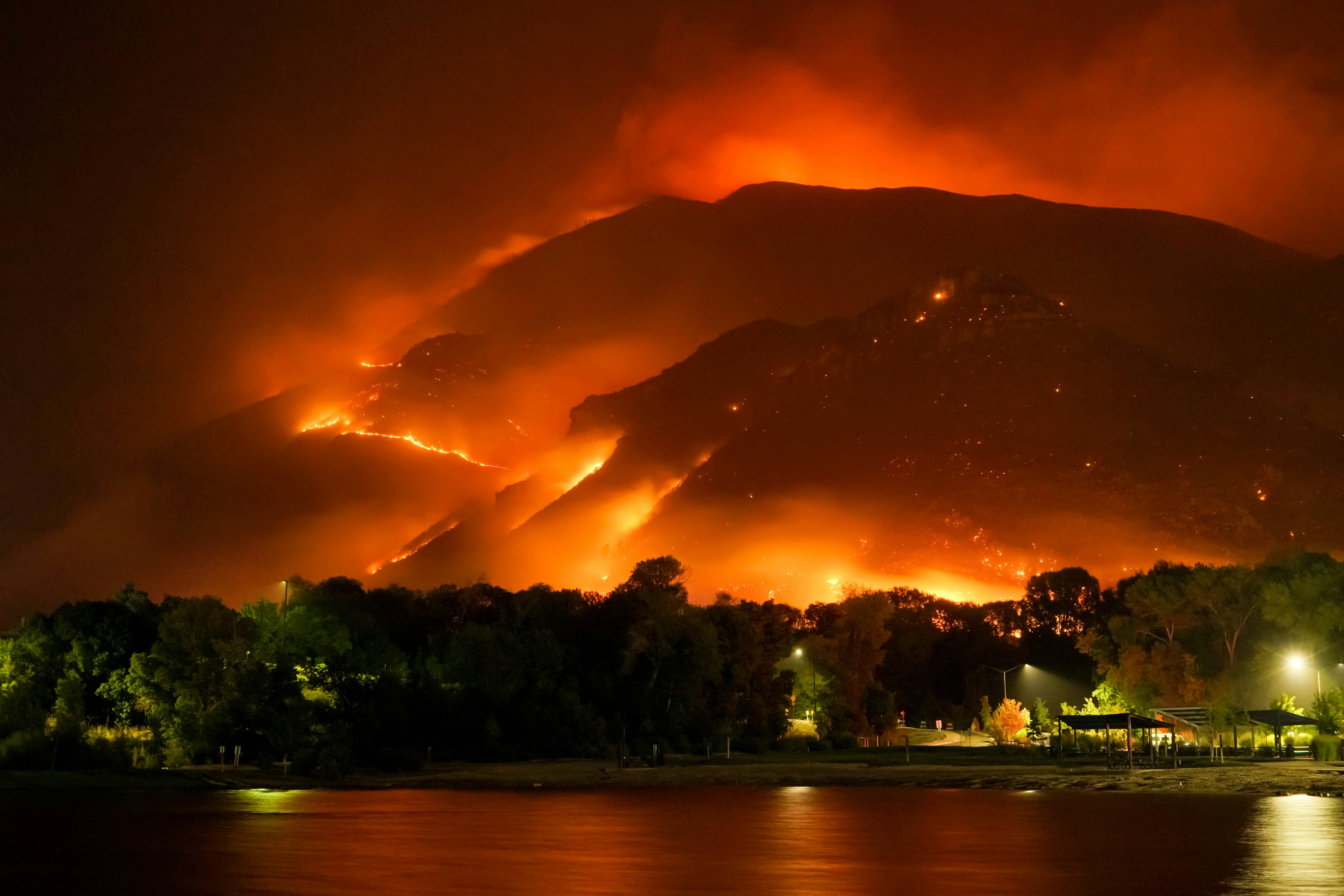
Photo by Mike Newbry on Unsplash
Climate change is the most pressing issue the Earth faces today and as capitalism remains the predominant economic system in contemporary global society, the rate of climate change is accelerating. The issues caused by climate change are immense and we all face the risks.
NASA’s Goddard Institute for space studies declares ‘the average global temperature on Earth has increased by at least 1.1° Celsius since 1880… majority of the warming occurring since 1975’. This coincides with the rapid expansion of capitalist (‘an economic system in which private actors own and control property in accord with their interests’: Sarwat Jahan, Ahmed Saber Mahmud: IMF) and neoliberal policies since the 1980s with leaders such as Margaret Thatcher and Ronald Reagan promoting deregulation and tax reductions to seek economic growth. We have moved ‘from low carbon to high carbon economies’ (Urry) increasing greenhouse gas emissions and accelerating the enhanced greenhouse effect.
Shifting weather patterns, rising sea levels and melting ice caps illustrate climate impacts linked to capitalist production and consumption. Urry warns warming will ‘change patterns of temperatures, rainfall, crops, animals and life worldwide’, labelling climate change a ‘global catastrophe’. Within 2025 alone, events such as Hurricane Melissa (10/2025) and the California Wildfires (01/25) killed dozens and cost billions. Nasa Science further notes that extreme heat waves, floods, droughts and wildfires are becoming ‘more frequent and more intense. Without significant intervention, the scale and intensity of climate impacts will continue to escalate.
Capitalism remains the dominant global economic system shaping policy-making, communication, trade and everyday life. Since the rise of neoliberalism in the 1970s, governments have prioritised corporate interests enabling greater resource extraction and carbon emissions in pursuit of economic growth. Intense global competition drives a ‘race to the bottom’; where firms cut costs by any means necessary to become cheaper for consumers; usually at the detriment of the environment. This involves exploitation of finite natural resources, and combustion of fossil fuels as energy sources (e.g. coal, natural gas, oil) to meet growing demand and rising living standards. Yet, these energy sources are limited, so making a transition to renewable alternatives is essential. However, renewables remain costly, so non-renewables are favoured as they maximise short-term profits.
John Urry argues that ‘excess capitalism’ has created a society of ‘excessive consumption’ that exceed the system’s ability to control them. This western culture of consumption drives increased resource use, plastic pollution, waste accumulation, overwhelming ecosystems and finite disposal capacity. Capitalism is embedded into our society through a combination of economic structures, cultural values, political institutions and everyday behaviours. To reverse the environmental damage caused by capitalism, it will require behavioural change and global compliance on local, national and international levels. Urry agrees with the need for global change highlighting that ‘With ‘business as usual’ and no significant reductions in high carbon systems, the stock of greenhouse gases could treble by the end of the century’. This would have catastrophic effects via positive feedback loops of warming leading to ‘a plummeting standard living’.
Some claim that if industrial capitalism persists, severe climate change is unavoidable. However, there are strategies already in place — and further measures that can be adopted — at local, national, and international levels to begin addressing these systemic challenges. Both governing bodies and individuals can reduce the impacts of climate change caused by corporations. For example, governments can use environmental standards such as tradable pollution permits which have been trailed in the EU which sets a limit on total emissions by issuing permits that can be bought and sold between companies; thus, reducing carbon emissions. Also, individuals, such as yourself, can reduce excess consumption, minimize waste through reuse and recycling schemes and hold environmentally harmful firms accountable.
Overall, capitalism is so deeply rooted within society that authors such as John Urry warn of a ‘societal collapse’ where capitalism fails to persist as the rate of environmental damage is too great in pursuit of growth. Infinite economic growth within a capitalist system is incompatible with a planet of finite resources, reinforcing the core economic problem of scarcity. Whilst a complete shift away from capitalism may seem appealing to some, it is not realistic in the short term. Instead, the most achievable path forward is a greener form of capitalism- one that prioritises renewable energy, regulation, and sustainability from governments, businesses and individuals.
Action is not a choice, but a necessity- it must begin now, before the damage becomes irreversible.
Bibliography:
Urry, J. (2009) ’, The Sociological Review, 57(s2): 84-100.
https://www.imf.org/en/Publications/fandd/issues/Series/Back-to-Basics/Capitalism
https://earthobservatory.nasa.gov/world-of-change/global-temperatures
Contact us
+44 (0) 161 306 6000


0 Comments