
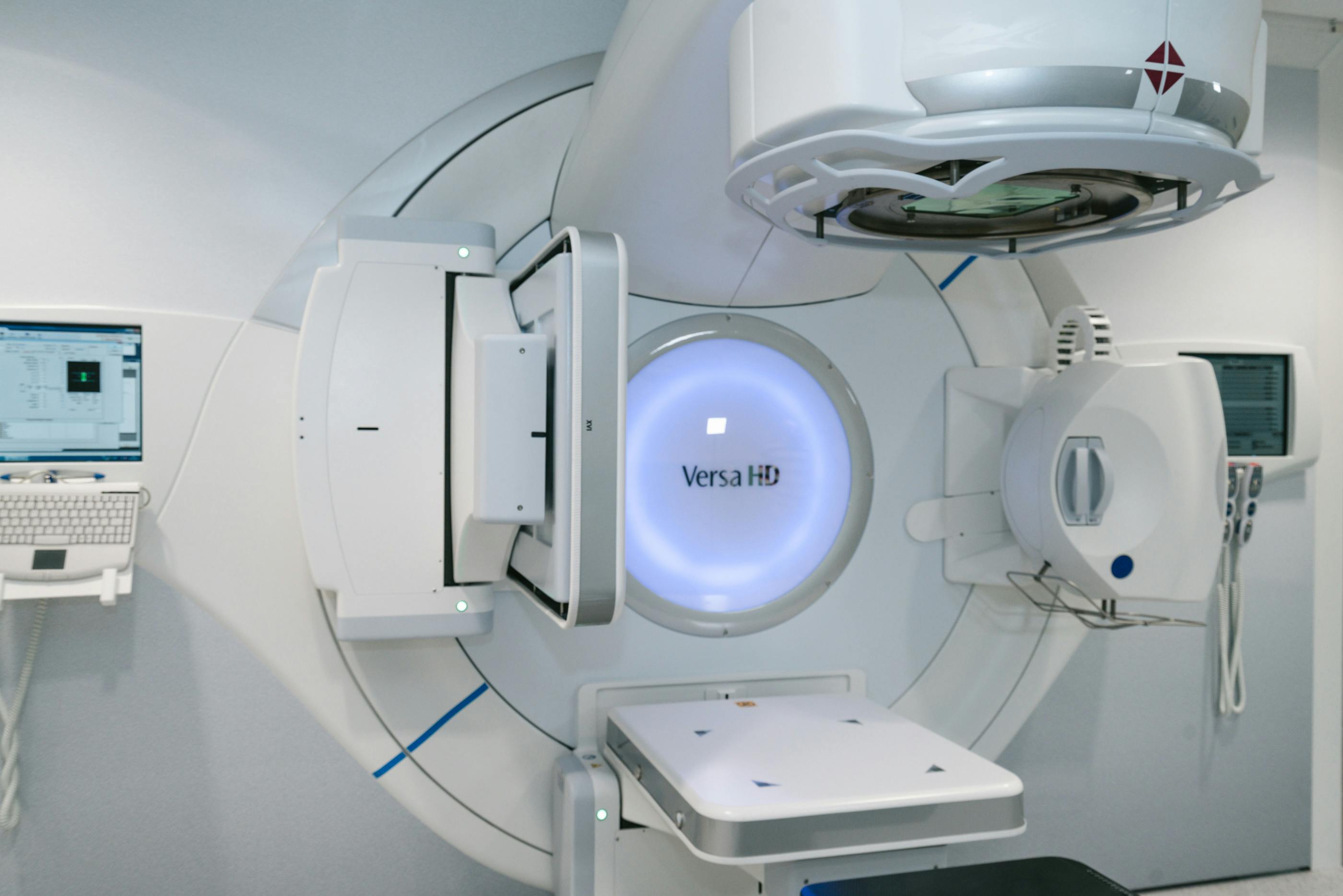
Key Immune Cells Found to Protect the Gut During Radiotherapy
Radiotherapy (RT) is a vital treatment for many abdominal and pelvic cancers, but it can unintentionally harm healthy tissue — especially the intestines — leading to serious side effects that currently have limited treatment options. Although the immune system is known to help repair and regulate damaged tissues, the specific immune processes involved in RT-induced gut toxicity have been unclear.
In this CRUK RadNet Manchester study, researchers have uncovered a natural defence mechanism that helps protect the gut during RT. They discovered that a molecule called CCR2 plays a key role in recruiting monocytes — immune cells that travel to the intestine after radiation exposure. Once there, these monocytes trigger a chain of protective immune signals, including the release of IL-17, a molecule that helps maintain the integrity of the intestinal barrier.
The team found that when CCR2 was missing, mice experienced worse symptoms: increased weight loss, greater intestinal leakiness, and more severe tissue damage. However, transferring monocytes into these mice helped reverse many of these effects, boosting IL-17 levels and improving gut protection. These results highlight the importance of CCR2-driven monocyte recruitment in limiting radiation-induced intestinal injury.
To uncover these mechanisms, the researchers used a CT-guided model of localised intestinal irradiation, along with advanced techniques such as single-cell RNA sequencing and flow cytometry. They also analysed serum samples from cancer patients undergoing RT to link their findings to human biology.
“These findings give us new insight into the off-target effects of radiotherapy, which can be a major challenge for patients.
If we can better target radiotherapy and limit these side effects, patients may be able to receive higher, more effective doses to treat and remove their cancers.”
Dr Doug Dyer – Co-author
CRUK RadNet Manchester is a Radiation Research Centre of Excellence and works in collaboration with The Christie NHS Foundation Trust, The University of Manchester and the Lydia Becker Institute of Immunology and Inflammation as part of their Radiotherapy and Immune Cell Interactions research activities.
-
CCR2-driven monocyte recruitment is protective against radiotherapy-induced intestinal toxicity published in Musocal Immunology . DOI: 10.1016/j.mucimm.2025.10.008




0 Comments