
The myth of a white Argentina is as powerful and persistent as it is false. However, also powerful and long-standing are the challenges to this common-sense understanding.
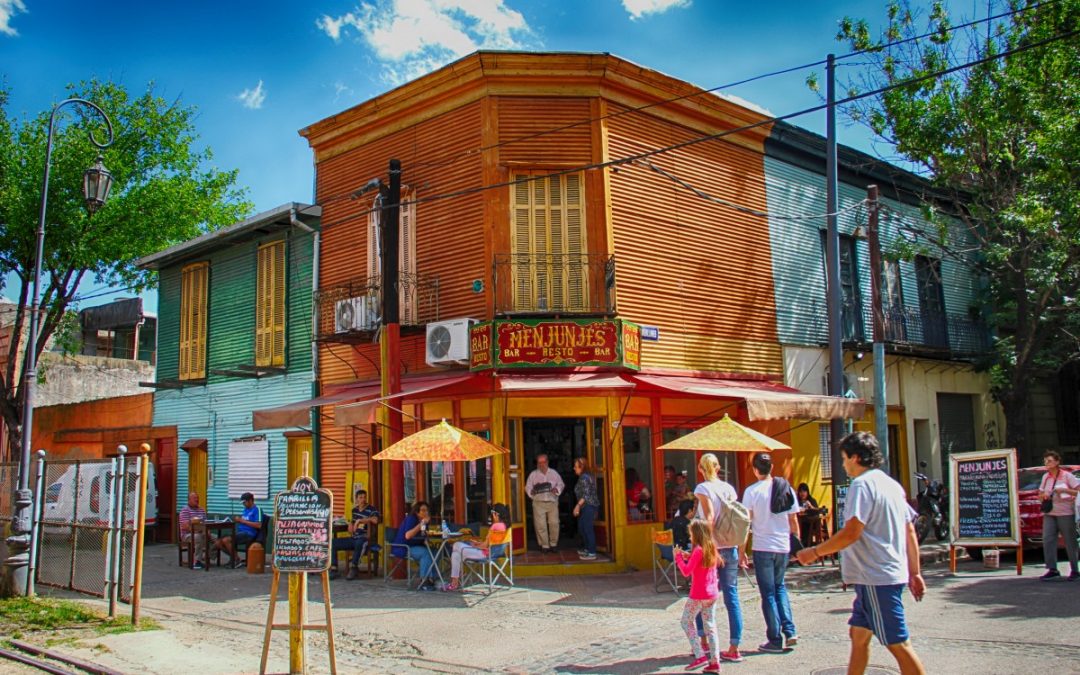
The myth of a white Argentina is as powerful and persistent as it is false. However, also powerful and long-standing are the challenges to this common-sense understanding.
Reflexionamos sobre la dificultad de discutir el racismo en Argentina, y revisamos las múltiples experiencias desde las que les artistas entrevistades aquí despliegan prácticas antirracistas.
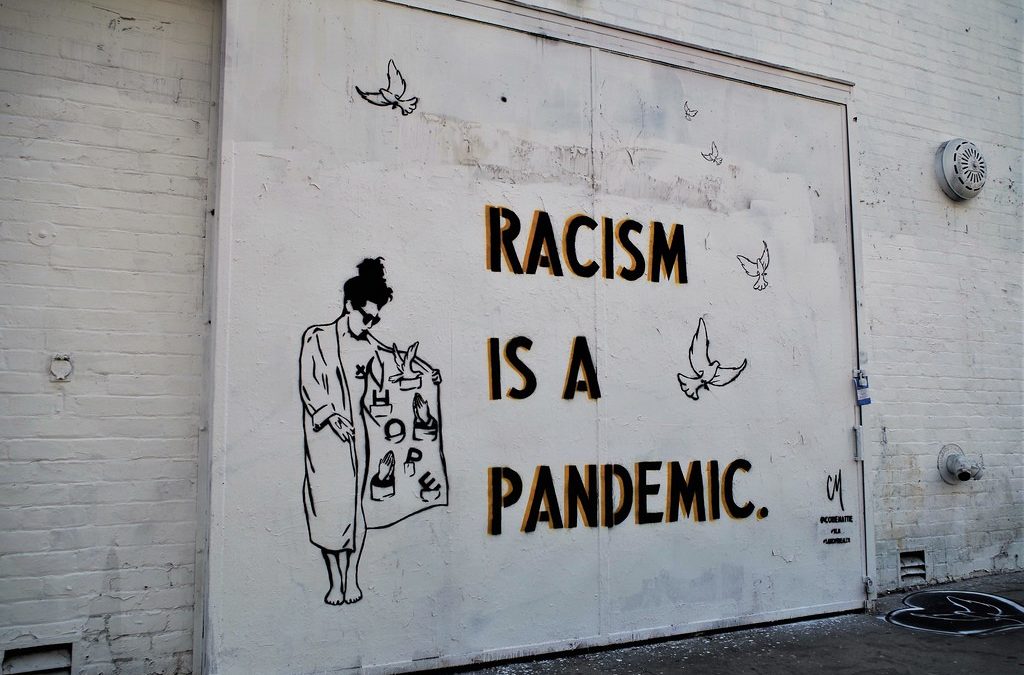
We will be holding an on-line conversation between Black and Indigenous artists based in Latin America and in the United Kingdom who have been staking out new territory in the art world, widening the discussion about questions of racism and racial difference in the domain of art and culture.
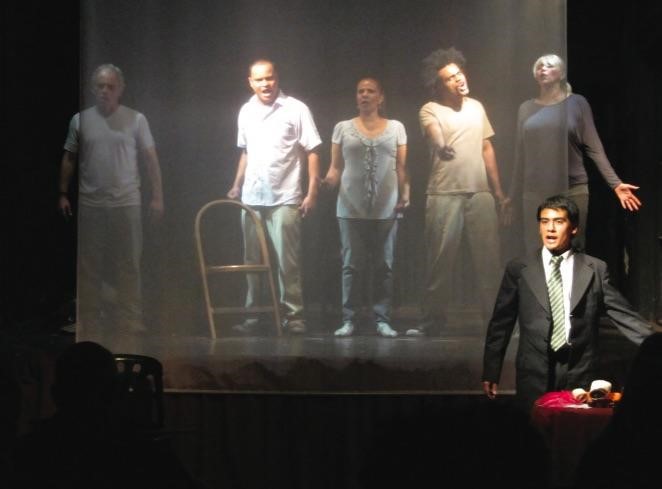
Teatro en Sepia (TES): La Compañía teatral Teatro en Sepia, fue creada en el 2010, por la directora y actriz Alejandra Egido. Trabaja desde las artes escénicas en pos de quebrar la histórica indiferencia y olvido de la presencia de los descendientes de esclavos en la Argentina, y de los afrodescendientes provenientes de migraciones pasadas o contemporáneas que habitan este territorio.
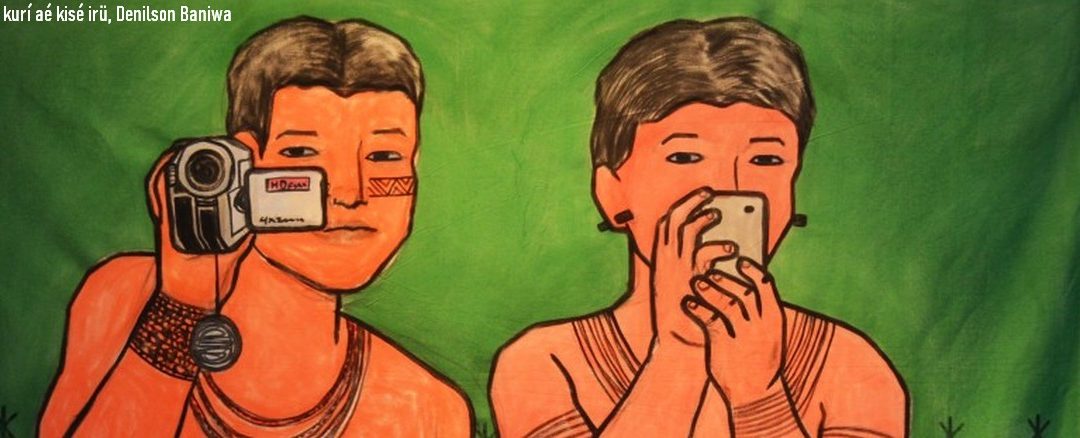
Wednesday 29 July 2020: an on-line conversation among Black and Indigenous artists and creative practitioners who are staking out new territory in the art world in Latin America, challenging art museums, cultural institutions, theatres and publishers in relation to questions of racism and racial difference.
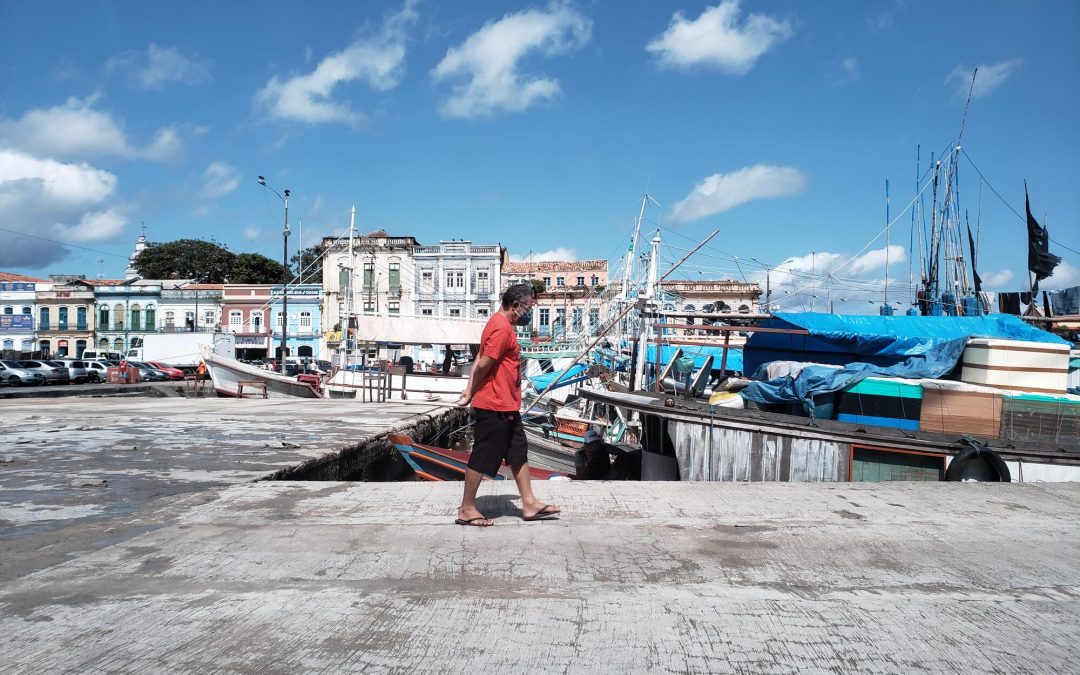
By Jamille Pinheiro Dias It’s my 37th birthday, and I’m seventy days into social isolation in my hometown. Being from Belém has gifted me with a taste for the wonders of brega popular music, a knowledge of traditional herbal baths and an ability to cope with...
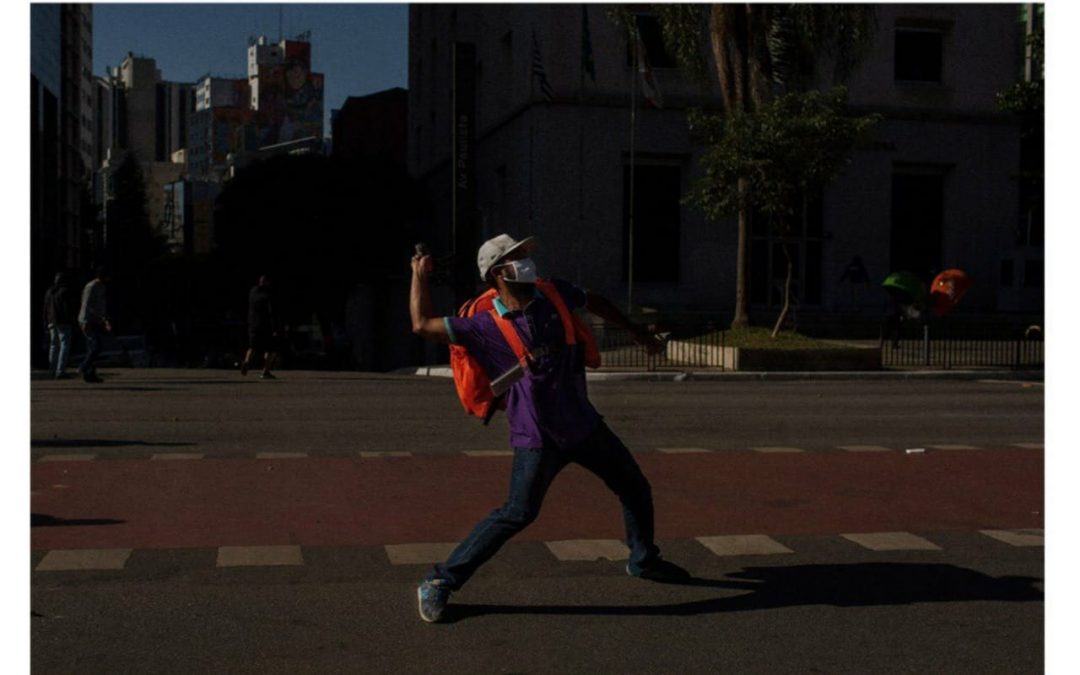
Tragedies are always socially unequal and expose in a striking way historically constructed inequalities. Exposure to the new coronavirus and the treatment of its effects among human populations have been distributed extremely unevenly. While some people have had privileged access to medical care, other social groups disproportionately bear the negative effects, in a pattern structured by social classifications.
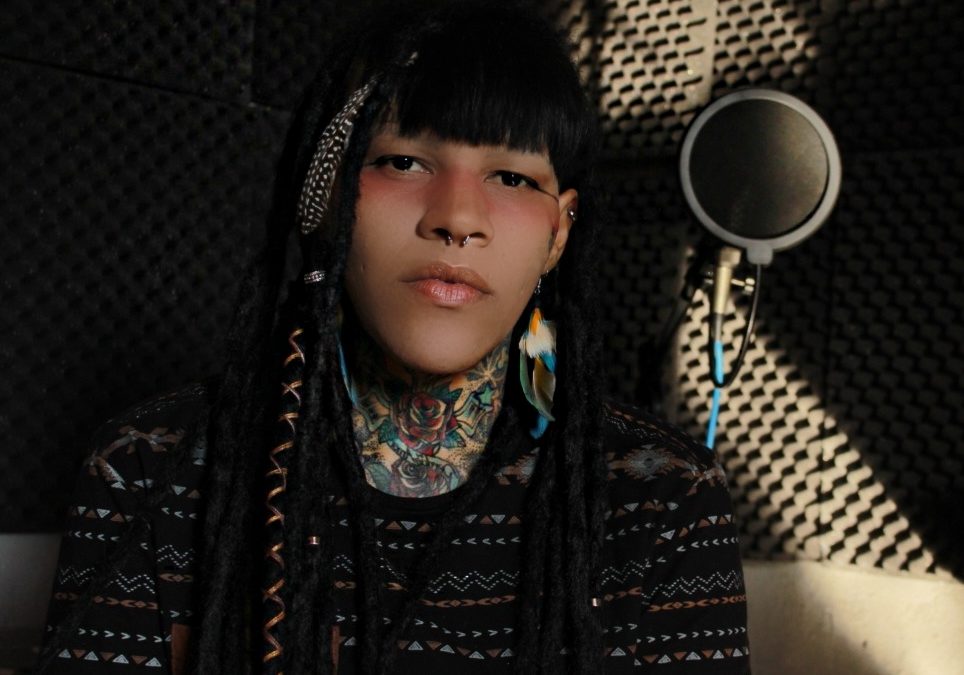
Indigenous Brazilian rapper Katu Mirim recorded this video for our project. In it, she responds questions posed to her by CARLA project researcher Jamille Pinheiro Dias about her work in relation to anti-Indigenous racism from an intersectional perspective. She also...
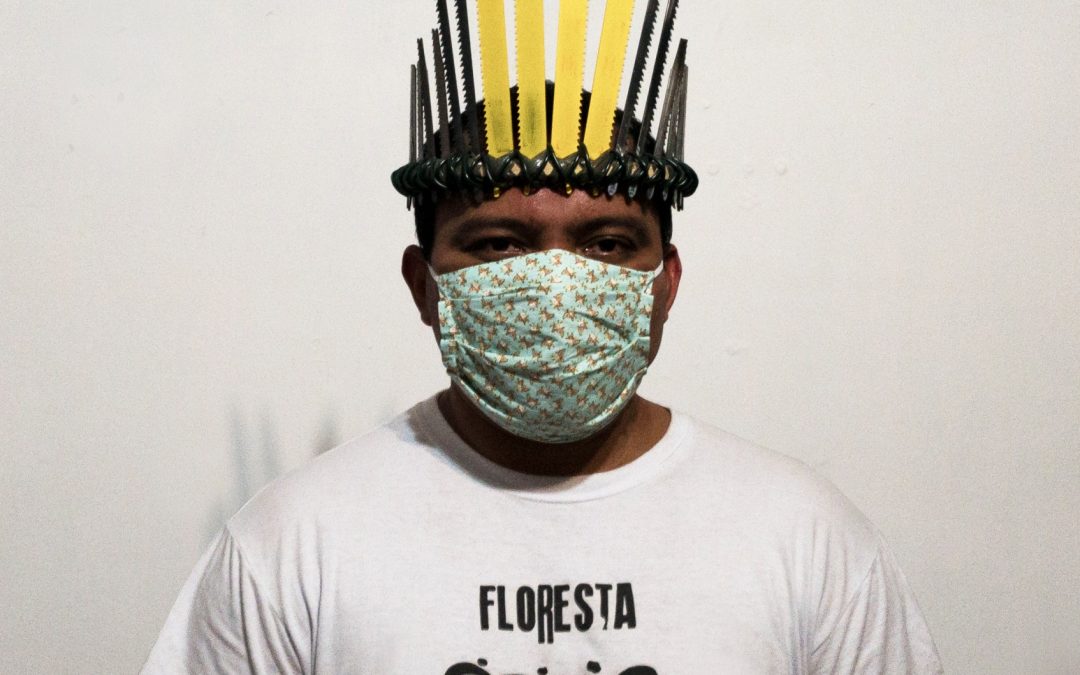
Denilson Baniwa was born in Barcelos, Amazonas, Brazil, in 1984. His art explores his experience of being Indigenous in the current moment, combining traditional and contemporary Indigenous references, and making use of Western icons to raise awareness about the struggle of Indigenous peoples in various media and languages. Here he presents “Ritual Masks for a World in Crisis”, an artwork created for the IMS Convida programme, which encourages artistic creation during the coronavirus quarantine.
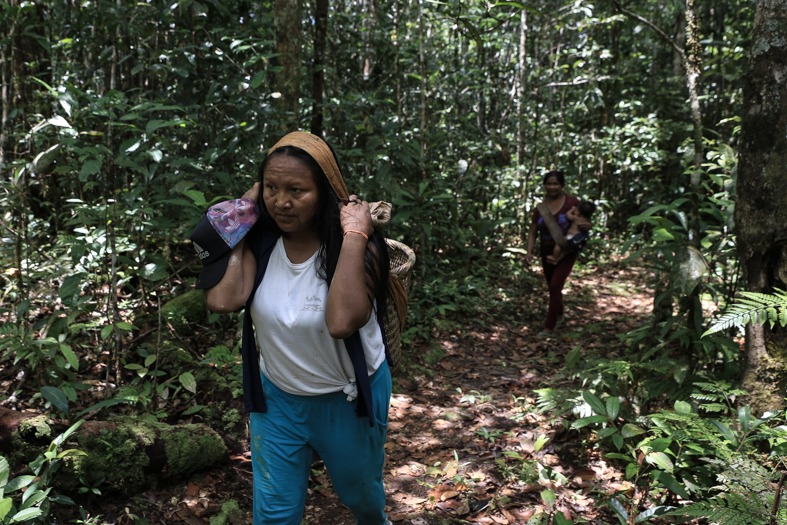
Francineia Fontes Baniwa: When we speak of Indigenous peoples and the current challenge of the pandemic, I think immediately of my Upper Negro River region in the northern part of Amazonas state. Just in the first months of the year, I lost my aunt, my father’s sister; my children lost their grandfather on their father’s side; a close relative lost her baby in childbirth, and today I received the news that the wife of my cousin Daniel passed away as she was giving birth, but the baby survived.
+44 (0) 161 275 3991


Recent Comments