
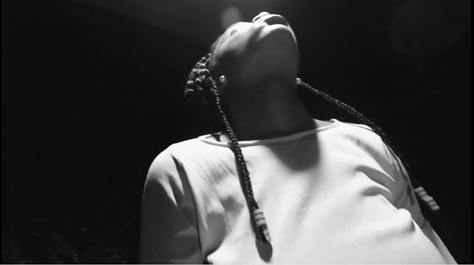
Sankofa’s Afro Dance: Another Form of Anti-Racist Writing?
Writing has certain uses and effects that have been widely discussed. Witnessing, regulating, preserving memory, etc., are some of them. However, it is curious that little attention has been paid to the passage between writing and other registers of inscription, such as the body,
La danza afro de Sankofa: ¿otra escritura anti-racista?
La escritura tiene unos usos y alcances que ya han sido abordados. Testimoniar, reglamentar, preservar la memoria, etc., son algunos de ellos. Sin embargo, resulta curioso que sea poca la atención que ha merecido el paso entre escritura y otros registros de inscripción, como el cuerpo, por ejemplo.

Does the idea of “anti-racism” work in Latin America?
At a recent meeting of CARLA researchers, Carlos Correa, the researcher working (virtually) in Colombia recounted a conversation he had recently had with a Black actor – let’s call him Juan – who also participates in various cultural and solidarity activities to support marginal neighbourhoods. Juan vigorously contested the use of the term “anti-racism” in the CARLA project for three reasons.
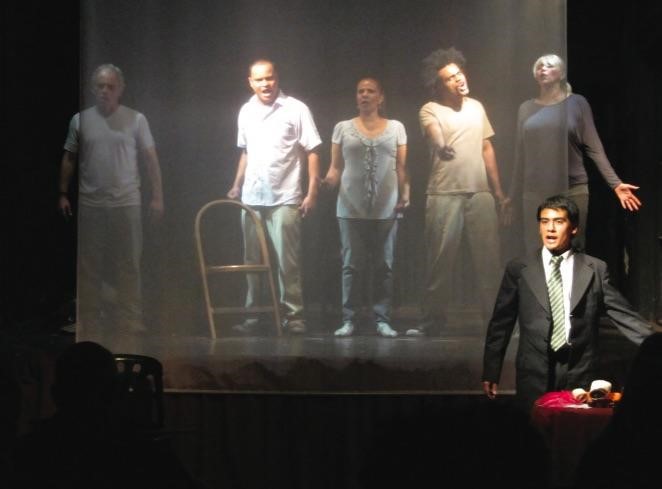
Más allá de la visibilización: Teatro en Sepia
Teatro en Sepia (TES): La Compañía teatral Teatro en Sepia, fue creada en el 2010, por la directora y actriz Alejandra Egido. Trabaja desde las artes escénicas en pos de quebrar la histórica indiferencia y olvido de la presencia de los descendientes de esclavos en la Argentina, y de los afrodescendientes provenientes de migraciones pasadas o contemporáneas que habitan este territorio.
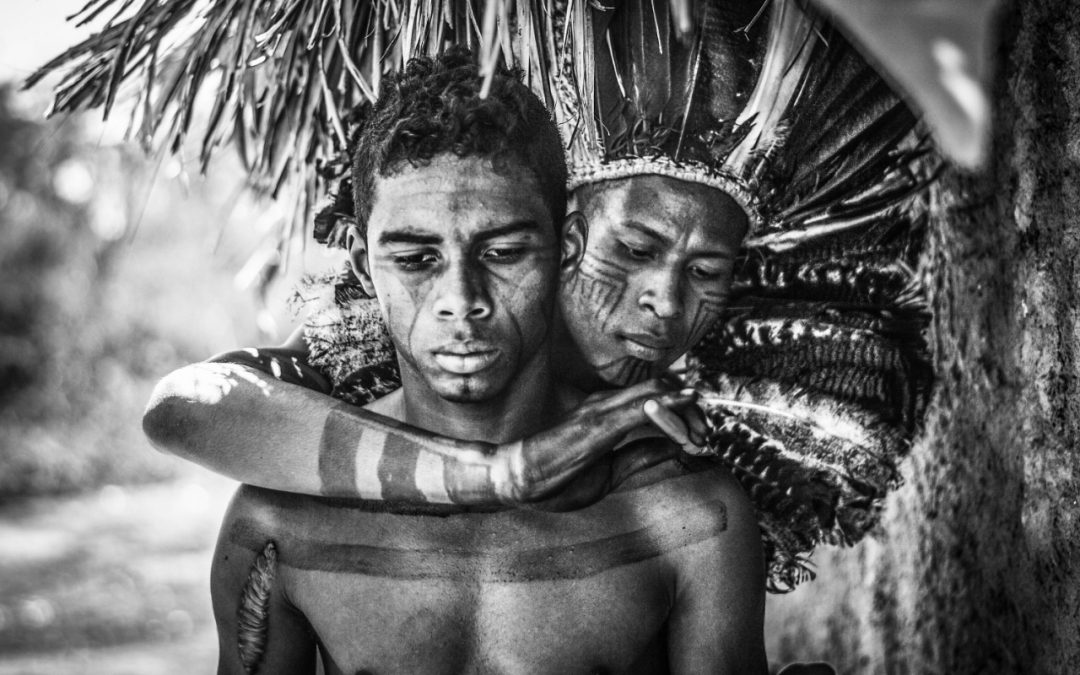
“Véxoa: We Know” and Indigenous Artists in Brazilian Art
Photograph by Edgar Corrêa Kanaykô, which will be shown at Véxoa: We Know, at Pinacoteca de São Paulo By Naine Terena [1] In the many conversations we have had in preparation for the exhibition Véxoa: We Know, which is due to open soon at Pinacoteca de São Paulo [2],...
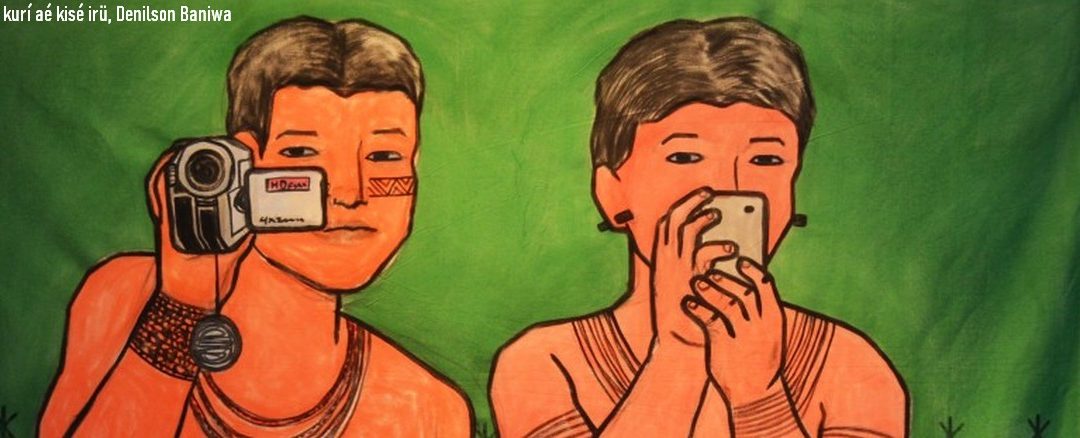
Online event: “Decolonising the Arts in Latin America: Anti-Racist Disruptors in the Art World”
Wednesday 29 July 2020: an on-line conversation among Black and Indigenous artists and creative practitioners who are staking out new territory in the art world in Latin America, challenging art museums, cultural institutions, theatres and publishers in relation to questions of racism and racial difference.
Learning to Heal in an Amazonian Capital
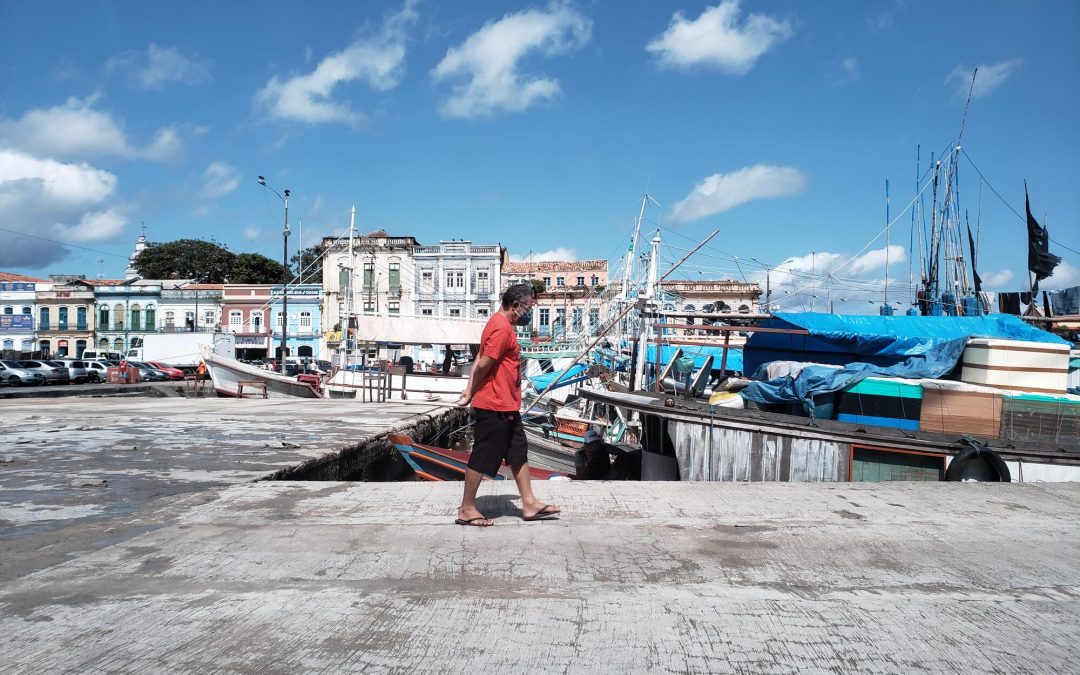
By Jamille Pinheiro Dias It’s my 37th birthday, and I’m seventy days into social isolation in my hometown. Being from Belém has gifted me with a taste for the wonders of brega popular music, a knowledge of traditional herbal baths and an ability to cope with...
Sowing the seeds of Muntú (part 1)
By Ashanti Dinah (Activist, Poet, Teacher, Researcher)
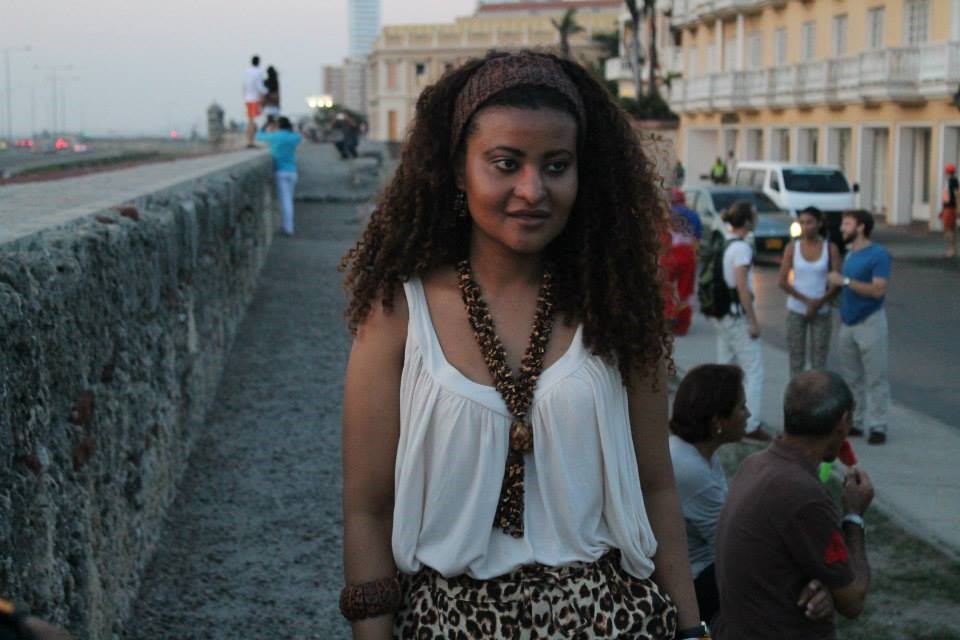
Alongside the social definition of black people as “criminal, immoral and dirty”, I, like other women in Our America, was educated in a patriarchal, authoritarian, classist, sexist and racist society.
Sowing the seeds of Muntú (part 2)
By Ashanti Dinah (Activist, Poet, Teacher, Researcher)
I believe that literary criticism with Hispanic roots has to change the traditional theoretical and methodological tools used for the textual and discursive analysis of our cultural productions.
Sembrando semillas del Muntú (parte 2)
Por Ashanti Dinah (Activista, Poeta, Maestra, Investigadora)
Considero que la crítica literaria de herencia hispánica tiene que cambiar sus herramientas teóricas y metodológicas tradicionales usadas para el análisis textual y discursivo de nuestras producciones culturales.
Contact Us
+44 (0) 161 275 3991


Recent Comments